
E004000

Kanamycin sulfate from Streptomyces kanamyceticus
Animal Component-free
동의어(들):
Kanamycin A, Kanamycin sulfate salt
조직 및 계약 가격을 보려면 로그인를 클릭합니다.
크기 선택
보기 변경
제품정보 (DICE 배송 시 비용 별도)
실험식(Hill 표기법):
C18H36N4O11 · H2O4S
CAS 번호:
Molecular Weight:
582.58
UNSPSC Code:
41116107
PubChem Substance ID:
EC Number:
246-933-9
MDL number:
Quality Level
form
powder
potency
≥750 μg per mg (dry basis)
impurities
≤5% Kanamycin B
SMILES string
OS(O)(=O)=O.NC[C@H]1O[C@H](O[C@@H]2[C@@H](N)C[C@@H](N)[C@H](O[C@H]3O[C@H](CO)[C@@H](O)[C@H](N)[C@H]3O)[C@H]2O)[C@H](O)[C@@H](O)[C@@H]1O
InChI
1S/C18H36N4O11.H2O4S/c19-2-6-10(25)12(27)13(28)18(30-6)33-16-5(21)1-4(20)15(14(16)29)32-17-11(26)8(22)9(24)7(3-23)31-17;1-5(2,3)4/h4-18,23-29H,1-3,19-22H2;(H2,1,2,3,4)/t4-,5+,6-,7-,8+,9-,10-,11-,12+,13-,14-,15+,16-,17-,18-;/m1./s1
InChI key
OOYGSFOGFJDDHP-KMCOLRRFSA-N
Application
Kanamycin sulfate is a broad spectrum aminoglycoside-antibiotic derived from Streptomyces kanamyceticus. It is used as an additive in culture media for the isolation of group D streptococci on Kanamycin Esculin Azide Agar and for selection of transformed plant cells containing the neomycin phosphotransferase on a kanamycin-medium. Kanamycin sulfate can also be used as a selection agent for cells transformed with kanamycin B resistance gene. It is recommended for use in cell culture applications at 100 mg/mL.
Biochem/physiol Actions
Mode of Action: The product acts by binding to the 70S ribosomal subunit, inhibiting translocation and eliciting miscoding.
Mode of Resistance:Aminoglycoside-modifying enzymes (including acetyltransferase, phosphotransferase, nucleotidyltransferase) can alter this antibiotic, preventing its interaction with ribosomes.
Antimicrobial spectrum: Kanamycin sulfate is effective against gram-negative and gram-postiive bacteria, and mycoplasma.
Mode of Resistance:Aminoglycoside-modifying enzymes (including acetyltransferase, phosphotransferase, nucleotidyltransferase) can alter this antibiotic, preventing its interaction with ribosomes.
Antimicrobial spectrum: Kanamycin sulfate is effective against gram-negative and gram-postiive bacteria, and mycoplasma.
Mode of Action: The product acts by binding to the 70S ribosomal subunit, inhibiting translocation and eliciting miscoding.
Mode of Resistance:Aminoglycoside-modifying enzymes (including acetyltransferase, phosphotransferase, nucleotidyltransferase) can alter this antibiotic, preventing its interaction with ribosomes.
Antimicrobial spectrum: Kanamycin sulfate is effective against gram-negative and gram-postiive bacteria, and mycoplasma.
Mode of Resistance:Aminoglycoside-modifying enzymes (including acetyltransferase, phosphotransferase, nucleotidyltransferase) can alter this antibiotic, preventing its interaction with ribosomes.
Antimicrobial spectrum: Kanamycin sulfate is effective against gram-negative and gram-postiive bacteria, and mycoplasma.
Preparation Note
Kanamycin sulfate is soluble in water at 50 mg/mL, yielding a clear solution. It is practically insoluble in alcohol, acetone, chloroform, ether and ethyl acetate. A 1% solution in water has a pH of 6.5 to 8.5. Sterile solutions can be prepared by a sterile filtration, through a .2μm filter.
Disclaimer
Solutions are stable at 37°C for approximately 5 days. Aqueous stock solutions can be stored at 2-8°C for long term storage.
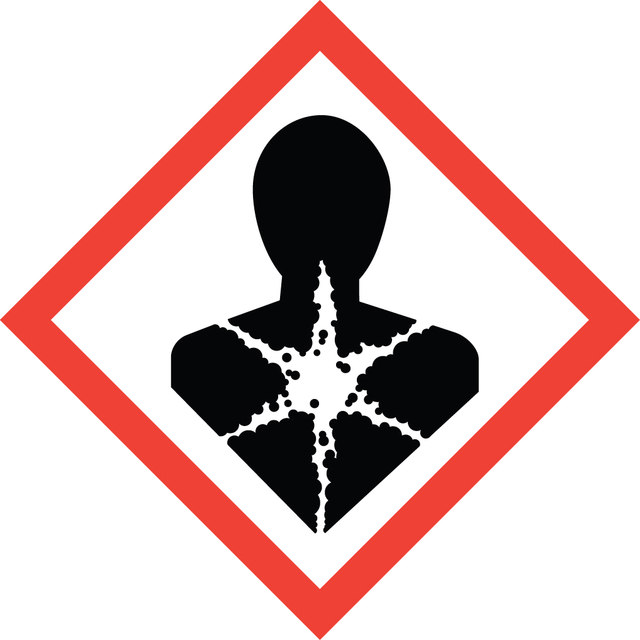
signalword
Danger
hcodes
Hazard Classifications
Repr. 1B
저장 등급
6.1C - Combustible acute toxic Cat.3 / toxic compounds or compounds which causing chronic effects
wgk
WGK 2
Jiansheng Xiao et al.
International journal of molecular medicine, 43(2), 1094-1104 (2018-11-30)
Modulation of differentiation of dendritic cells (DCs), which are derived from bone marrow cells, may influence their maturation and consequently regulate their ability to present antigens to alloreactive T lymphocytes. B lymphocyte‑induced maturation protein‑1 (Blimp1) is a master regulator of
Bin Ye et al.
Autophagy, 15(6), 998-1016 (2019-02-02)
Macroautophagy/autophagy dysfunction is associated with many neurodegenerative diseases. TFEB (transcription factor EB), an important molecule that regulates lysosomal and autophagy function, is regarded as a potential target for treating some neurodegenerative diseases. However, the relationship between autophagy dysfunction and spiral
Mitsutaka Kitano et al.
Antimicrobial agents and chemotherapy, 58(8), 4795-4803 (2014-06-11)
Highly pathogenic avian influenza A (H5N1) viruses cause severe and often fatal disease in humans. We evaluated the efficacy of repeated intravenous dosing of the neuraminidase inhibitor peramivir against highly pathogenic avian influenza virus A/Vietnam/UT3040/2004 (H5N1) infection in cynomolgus macaques.