
14814

Palladium(II) chloride
anhydrous, 59-60% Pd, powder
동의어(들):
Dichloropalladium, Palladium dichloride, Palladous chloride
크기 선택
제품정보 (DICE 배송 시 비용 별도)
제품 이름
Palladium(II) chloride, anhydrous, 59-60% palladium (Pd) basis
Quality Level
form
powder
reaction suitability
core: palladium, reaction type: Buchwald-Hartwig Cross Coupling Reaction, reaction type: Heck Reaction, reaction type: Hiyama Coupling, reaction type: Negishi Coupling, reaction type: Sonogashira Coupling, reaction type: Stille Coupling, reaction type: Suzuki-Miyaura Coupling, reagent type: catalyst
concentration
59-60% Pd
mp
678-680 °C (lit.)
density
4 g/mL at 25 °C (lit.)
SMILES string
Cl[Pd]Cl
InChI
1S/2ClH.Pd/h2*1H;/q;;+2/p-2
InChI key
PIBWKRNGBLPSSY-UHFFFAOYSA-L
Application
Used in the synthesis of semiconducting metal-containing polymers in which the polypyrrole backbone has a conformational energy minimum and is nearly planar.
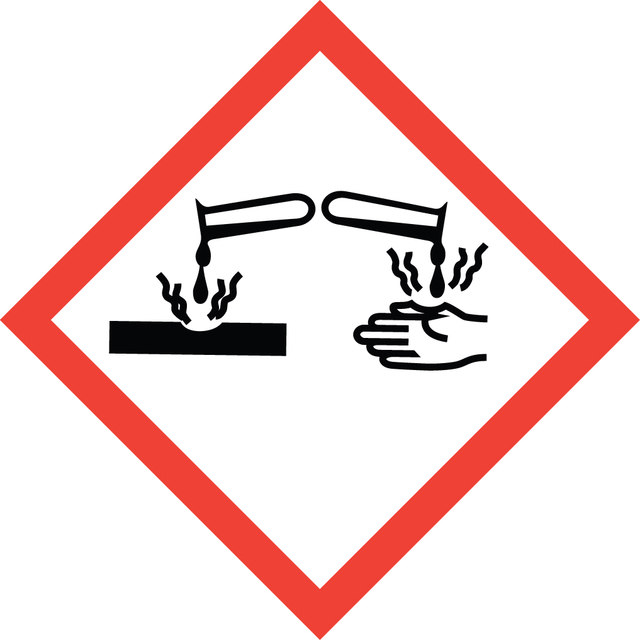
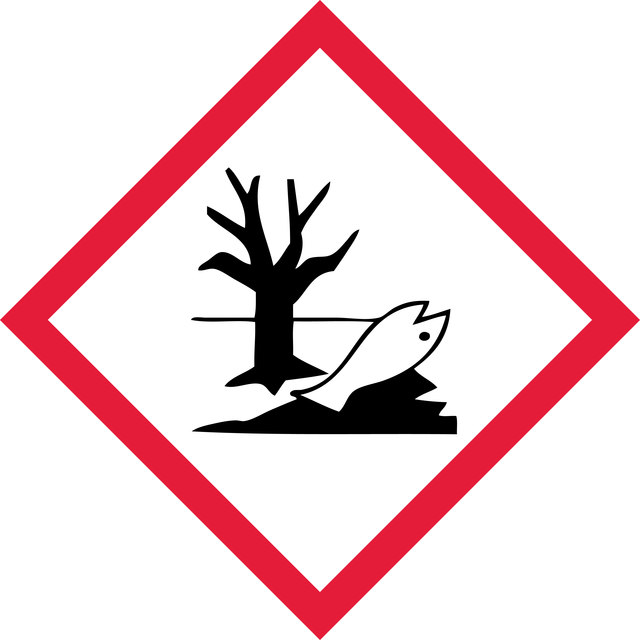
signalword
Danger
hcodes
Hazard Classifications
Acute Tox. 4 Oral - Aquatic Acute 1 - Aquatic Chronic 1 - Eye Dam. 1 - Met. Corr. 1 - Skin Sens. 1
flash_point_f
Not applicable
flash_point_c
Not applicable
ppe
Eyeshields, Faceshields, Gloves, type P2 (EN 143) respirator cartridges
저장 등급
13 - Non Combustible Solids
국제 무역 품목 번호
| SKU | GTIN |
|---|---|
| 14814-10G | 04061833472699 |