
CHP2

Imprint® Ultra Chromatin Immunoprecipitation Kit
Complete ChIP kit for sensitivity, compatibility with Next-Gen sequencing
Se connecter pour consulter les tarifs organisationnels et contractuels.
Sélectionner une taille de conditionnement
Changer de vue
A propos de cet article
UNSPSC Code:
12352202
Service technique
Besoin d'aide ? Notre équipe de scientifiques expérimentés est là pour vous.
Laissez-nous vous aiderGeneral description
The Imprint Ultra Chromatin IP Kit is Sigma′s second generation chromatin immunoprecipitation (ChIP) kit developed for maximum sensitivity and optimum next-generation sequencing results. It provides a complete solution for Chromatin Immunoprecipitation, including columns and reagents for DNA purification. The kit allows researchers to explore the genome-wide binding sites of low abundance transcription factors (TFs), as well as novel histone modifications. It is optimized for ChIP reactions with chromatin from 106 cells (up to ~50 μg DNA), and can also be scaled up (or several preparations pooled) to accommodate 108 cells for genome-wide binding studies in ChIP-chip and ChIP-Seq applications.
Application
- Suitable for downstream applications
- Individual target characterization to genome-wide profiling techniques
- Characterization of signal transduction pathways
- Verification of ChIp-chIP and ChIP-seq data
Features and Benefits
- Use successfully CHiP′ed DNA associated with low abundance, medium, and highly expressed transcription factors, as well as histone modifications
- Greater capacity - can be used over a wide range of cell numbers ranging from 2-10 × 106
- Maximum sensitivity - capable of detecting low abundance transcription factors with as little as 2 × 10⁶ cells
- Employs DNA-Blocked "Staph-Seq" for IP (immunoprecipitation), minimizing contaminating Staph A DNA in downstream ChIP-Seq applications.
Legal Information
Imprint is a registered trademark of Merck KGaA, Darmstadt, Germany
Composants de kit seuls
Réf. du produit
Description
- Sodium dodecyl sulfate solution, 10% in 18 megohm water
- Monoclonal Anti-POLR2A antibody produced in mouse, clone 1F17, purified immunoglobulin, buffered aqueous solution
Composants de kit également disponibles séparément
Réf. du produit
Description
FDS & Tarif
- IgG from rabbit serum, reagent grade, ≥95% (SDS-PAGE), essentially salt-free, lyophilized powder
- Bovine Serum Albumin, lyophilized powder, essentially globulin free, ≥99% (agarose gel electrophoresis)
Afficher tout (12)
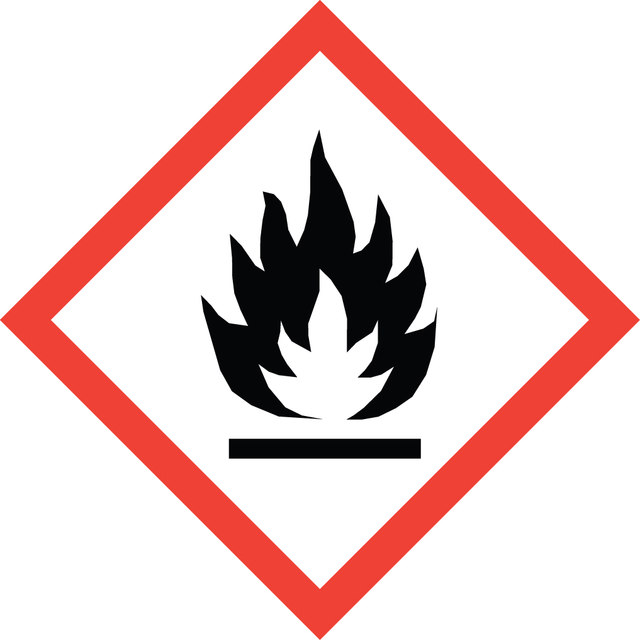
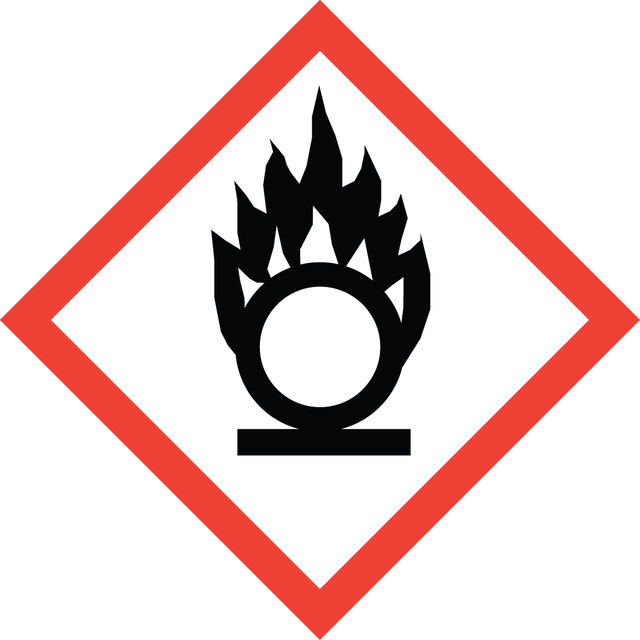
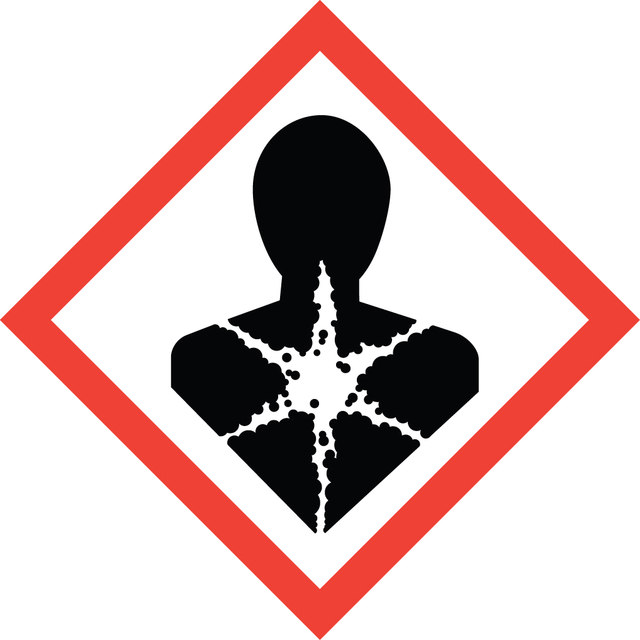


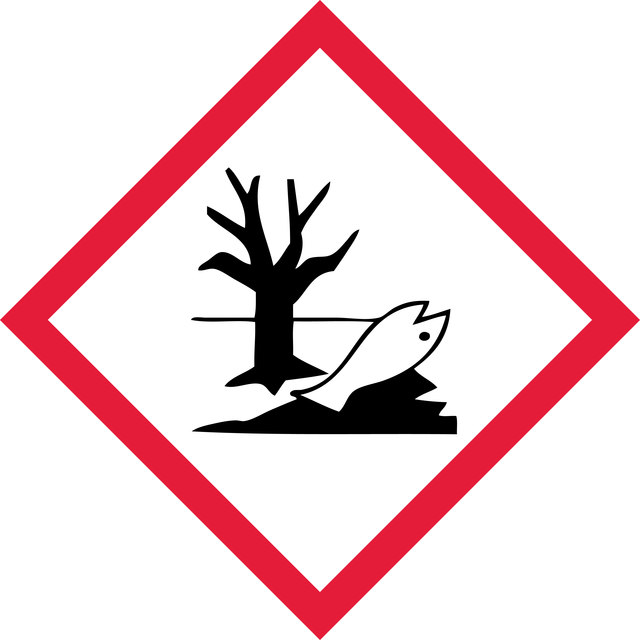
signalword
Danger
Hazard Classifications
Acute Tox. 4 Oral - Aquatic Acute 1 - Aquatic Chronic 1 - Eye Dam. 1 - Flam. Liq. 3 - Met. Corr. 1 - Ox. Liq. 1 - Resp. Sens. 1 - Skin Corr. 1A - STOT SE 3
target_organs
Central nervous system
Classe de stockage
5.1A - Strongly oxidizing hazardous materials
Faites votre choix parmi les versions les plus récentes :
Déjà en possession de ce produit ?
Retrouvez la documentation relative aux produits que vous avez récemment achetés dans la Bibliothèque de documents.
Protocoles
Chromatin Immunoprecipitation qPCR for studying gene regulation across conditions.
Contenu apparenté
Imprint® Ultra Chromatin IP Kit: for Successful ChIP-Seq with a Low Abundance Transcription Factor
Genomic maps of long noncoding RNA occupancy reveal principles of RNA-chromatin interactions.
Chu, C., et al.
Molecular Cell (2011)
Philippe Collas
Molecular biotechnology, 45(1), 87-100 (2010-01-16)
The biological significance of interactions of nuclear proteins with DNA in the context of gene expression, cell differentiation, or disease has immensely been enhanced by the advent of chromatin immunoprecipitation (ChIP). ChIP is a technique whereby a protein of interest
Chromatin isolation by RNA purification (ChIRP).
Chu, C., et al.
Journal of Visualized Experiments (2012)
Numéro d'article de commerce international
| Référence | GTIN |
|---|---|
| HPA055198-100UL | 04065271327481 |
| SAB4502725-100UG | 04061837190933 |
| SAB4300914-100UL | 04061837435287 |
| CHP2-24RXN | 04061833296066 |
| EMU161551-20UG | 04061828788651 |
| EMU161551-50UG | 04061828737451 |