
38185

Quantification kit for oxidized and reduced glutathione
200 tests
Synonym(s):
γ-L-glutamyl-L-cysteinylglycine kit, Quantification kit
Sign In to View Organizational & Contract Pricing.
Select a Size
Change View
About This Item
NACRES:
NA.32
UNSPSC Code:
12352108
General description
Glutathione Quantification Kit is designed to detect oxidized and reduced Glutathione. Glutathione is usually represented in a reduced form called GSH; however, GSH is converted into its oxidized state (GSSG) upon oxidative stress. The ratio between GSH and GSSG is considered an index for oxidative stress. Glutathione, also known as γ-L-glutamyl-L-cysteinylglycine, is a tripeptide compound that is involved in anti-oxidation and drug metabolism. It acts as a substrate for enzymes like glutathione peroxidase, glutathione S-transferase, and thiol transferase.
Application
Glutathione Quantification Kit is used to detect the total amount of glutathione as an index for oxidative stress or disease risk.
Features and Benefits
The detection ranges of total glutathione and GSSG using in this kit are from 0.5 μmol/l to 50 μmol/l and from 0.5 μmol/l to 25 μmol/l, respectively.
Analysis Note
Glutathione Quantification Kit contains a GSH masking reagent. This enables GSSG detection in the sample by measuring the absorption (λmax = 412 nm) obtained from a colorimetric reaction of DTNB (5,5’-dithiobis (2-nitrobenzoic acid)) coupled with the enzymatic recycling system. The total quantity of GSH can be measured by subtracting the amount of GSSG from the total amount of glutathione.
Other Notes
Glutathione Quantification Kit contains:
- Enzyme Solution (50µl X 1)
- Buffer Solution (60ml X 1)
- Standard GSH (X 1)
- Masking Reagent (20µl X 1)
- Co-enzyme (X 2)
- Substrate (DTNB) (X4)
- Standard GSSG (X 1)
not available in Korea, Singapore, Taiwan and Japan
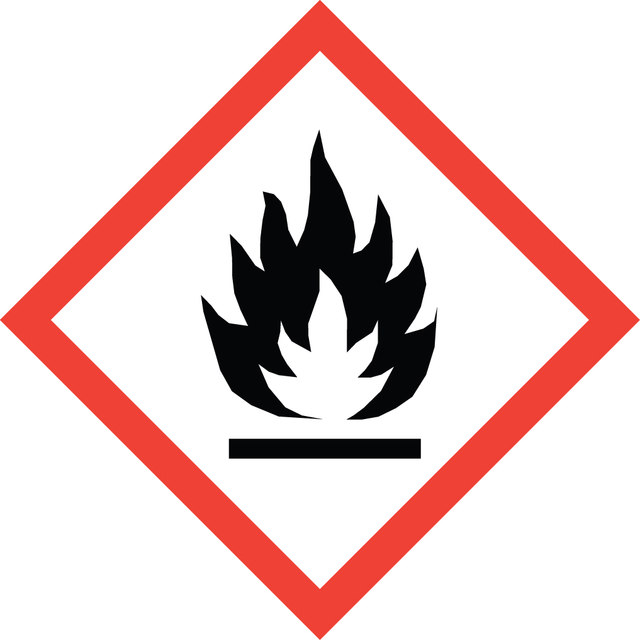
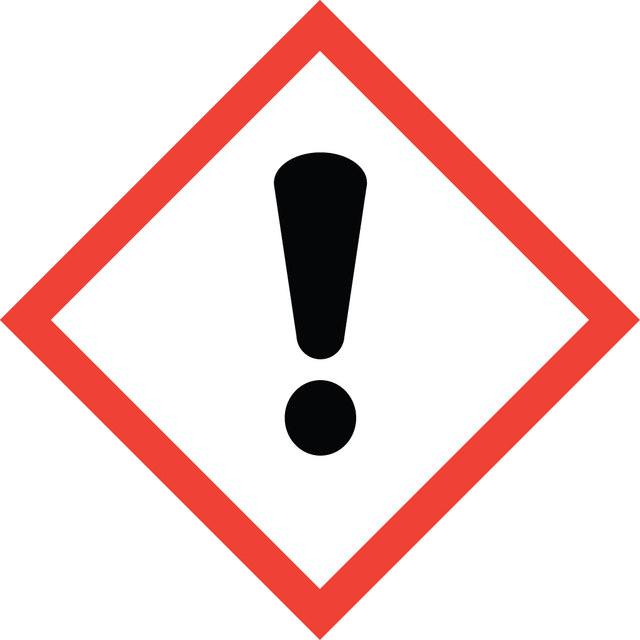
signalword
Danger
hcodes
Hazard Classifications
Eye Irrit. 2 - Flam. Liq. 2 - Skin Irrit. 2 - Skin Sens. 1
Storage Class
3 - Flammable liquids
wgk
WGK 3
Choose from one of the most recent versions:
Already Own This Product?
Find documentation for the products that you have recently purchased in the Document Library.
Related Content
Geng Tian et al.
Antioxidants & redox signaling, 20(16), 2606-2620 (2013-10-16)
The present study was conducted to define the relationship between the anti-aging effect of ubiquinol-10 supplementation and mitochondrial activation in senescence-accelerated mouse prone 1 (SAMP1) mice. Here, we report that dietary supplementation with ubiquinol-10 prevents age-related decreases in the expression
Protective Effect of Lycii Radicis Cortex against 6-Hydroxydopamine-Induced Dopaminergic Neuronal Cell Death.
Hyo Geun Kim
Journal of Food Biochemistry, 39, 281-288 (2015)
Anna Maria Czarnecka et al.
Nutrients, 12(7) (2020-07-28)
Acute liver failure (ALF) impairs cerebral function and induces hepatic encephalopathy (HE) due to the accumulation of neurotoxic and neuroactive substances in the brain. Cerebral oxidative stress (OS), under control of the glutathione-based defense system, contributes to the HE pathogenesis.
Global Trade Item Number
| SKU | GTIN |
|---|---|
| 38185-1KT | 04061831961652 |