
650501

Acetone
HPLC Plus, for HPLC, GC, and residue analysis, ≥99.9%
Select a Size
About This Item
Quality Level
grade
HPLC Plus, HPLC grade
agency
suitable for EPA 1613, suitable for EPA 1633
vapor density
2 (vs air)
vapor pressure
184 mmHg ( 20 °C)
assay
≥99.9%
form
liquid
expl. lim.
13.2 %
technique(s)
HPLC: suitable, gas chromatography (GC): suitable
impurities
≤0.5% water, ≤1.0 ppb Fluorescence (quinine) at 365 nm
evapn. residue
≤0.0003%
halogenated residue
<10 ng/L (as heptachlor epoxide)
refractive index
n20/D 1.359 (lit.)
pH
5-6 (20 °C, 395 g/L)
bp
56 °C/760 mmHg (lit.)
mp
−94 °C (lit.)
solubility
water: miscible
density
0.791 g/mL at 25 °C (lit.)
λ
H2O reference
UV absorption
λ: 330 nm Amax: 1.0, λ: 340 nm Amax: 0.06, λ: 350 nm Amax: 0.01, λ: 375-400 nm Amax: 0.005
suitability
suitable for residue analysis
application(s)
PFAS testing
food and beverages
format
neat
SMILES string
CC(C)=O
InChI
1S/C3H6O/c1-3(2)4/h1-2H3
InChI key
CSCPPACGZOOCGX-UHFFFAOYSA-N
General description
Application
- NMR spectroscopic evaluation of glucose metabolism in biological samples (blood).
- Preparation of 13wt% amorphous poly (lactic acid) (PLA) solution, which was required for the preparation of electrospun PLA membranes.
- As a precursor for the synthesis of methyl isobutyl ketone (MIBK) in the presence of sulfonated graphene oxide-Pd/cordierite catalyst.
- Synthesis of (4-hydroxymethyl-2,2-dimethyl-1,3-dioxolane), a solketal from glycerol using supercritical fluids (SCF) technology.
- 1-isopropylidene-2-methylhydrazine
- 1-isopropylidene-2-hydroxyethylhydrazine
- 1-isopropylidene-2-formylhydrazine
Packaging
As a global leader in lab reagents, we are constantly looking for new ways to optimize the safety of our products. The newly developed 4L solvent bottle design features advanced sealing technology that eliminates leaks to make the handling of solvents safer and more convenient than ever before.
See all the new features here!
Still not finding the right product?
Explore all of our products under Acetone
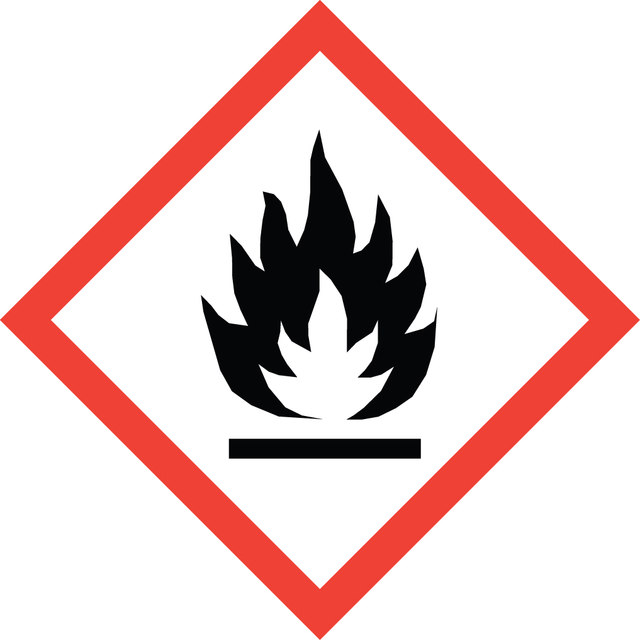
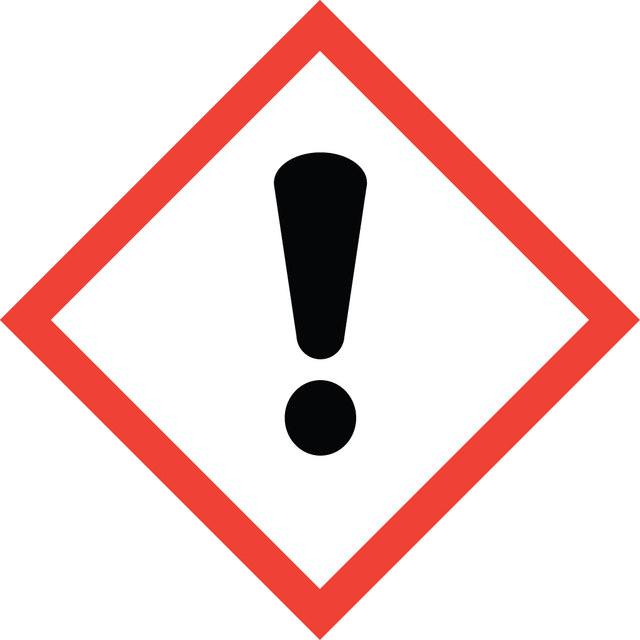
signalword
Danger
hcodes
Hazard Classifications
Eye Irrit. 2 - Flam. Liq. 2 - STOT SE 3
target_organs
Central nervous system
supp_hazards
Storage Class
3 - Flammable liquids
flash_point_f
-6.2 °F
flash_point_c
-21.2 °C
Choose from one of the most recent versions:
Already Own This Product?
Find documentation for the products that you have recently purchased in the Document Library.
Articles
Substances are said to be miscible in one another if they dissolve to form a uniform solution. Bookmark or download our miscibility table for common lab solvents.
Compare PAH determination in olive oil: traditional GB 5009.265-2021 method vs. faster, simpler SPE with Supelclean™ EZ-POP NP; both meet criteria.
Se dice que las sustancias son miscibles entre sí si se disuelven hasta formar una disolución uniforme. Marque o descargue nuestra tabla de miscibilidad para los disolventes comunes del laboratorio.
Related Content
This page is intended to make it easier to find the consumables you need based on the analytical method you’re using. Methods included on this page come from the EPA, Standard Methods and ASTM.
Global Trade Item Number
| SKU | GTIN |
|---|---|
| 650501-6X1L | 04061832732459 |
| 650501-1L | 04061837479601 |
| 650501-200L-P2 | 04061837291326 |
| 650501-4L | 04061837479618 |
| 650501-4X4L | 04061837479625 |