
34865

Tetrahydrofuran
≥99.9%, suitable for HPLC, inhibitor-free
Synonym(s):
THF, Butylene oxide, Oxolane, Tetramethylene oxide
Select a Size
About This Item
Product Name
Tetrahydrofuran, inhibitor-free, suitable for HPLC, ≥99.9%
grade
HPLC grade
Quality Level
vapor density
2.5 (vs air)
vapor pressure
114 mmHg ( 15 °C), 143 mmHg ( 20 °C)
assay
≥99.9%
form
liquid
autoignition temp.
610 °F
expl. lim.
1.8-11.8 %
technique(s)
HPLC: suitable
impurities
≤0.0005% non-volatile matter, ≤0.002% free acid (as CH3COOH), ≤0.05% peroxides (as H2O2), ≤0.05% water (Karl Fischer)
evapn. residue
≤0.0005%
color
APHA: ≤10
refractive index
n20/D 1.407 (lit.)
pH
~7
bp
65-67 °C (lit.)
mp
−108 °C (lit.)
density
0.889 g/mL at 25 °C (lit.)
absorption
≤0.0044 at 315 nm, ≤0.005 at 350 nm, ≤0.005 at 400 nm, ≤0.02 at 300 nm, ≤0.046 at 275 nm, ≤0.18 at 250 nm, ≤0.26 at 245 nm, ≤1.0 at 212 nm
UV absorption
λ: 245 nm Amax: ≤0.26, λ: 275 nm Amax: ≤0.046, λ: 315 μm Amax: ≤0.0044
suitability
complies for IR spectroscopy
application(s)
food and beverages
SMILES string
C1CCOC1
InChI
1S/C4H8O/c1-2-4-5-3-1/h1-4H2
InChI key
WYURNTSHIVDZCO-UHFFFAOYSA-N
General description
Application
Packaging
As a global leader in lab reagents, we are constantly looking for new ways to optimize the safety of our products. The newly developed 4L solvent bottle design features advanced sealing technology that eliminates leaks to make the handling of solvents safer and more convenient than ever before.
See all the new features here!
Other Notes
- The article number 34865-4X2.5L will be discontinued. Please order the single bottle 34865-2.5L which is physically identical with the same exact specifications.
- The article number 34865-6X1L will be discontinued. Please order the single bottle 34865-1L which is physically identical with the same exact specifications.
Still not finding the right product?
Explore all of our products under Tetrahydrofuran
signalword
Danger
target_organs
Central nervous system, Respiratory system
supp_hazards
Storage Class
3 - Flammable liquids
flash_point_f
-6.2 °F - closed cup
flash_point_c
-21.2 °C - closed cup
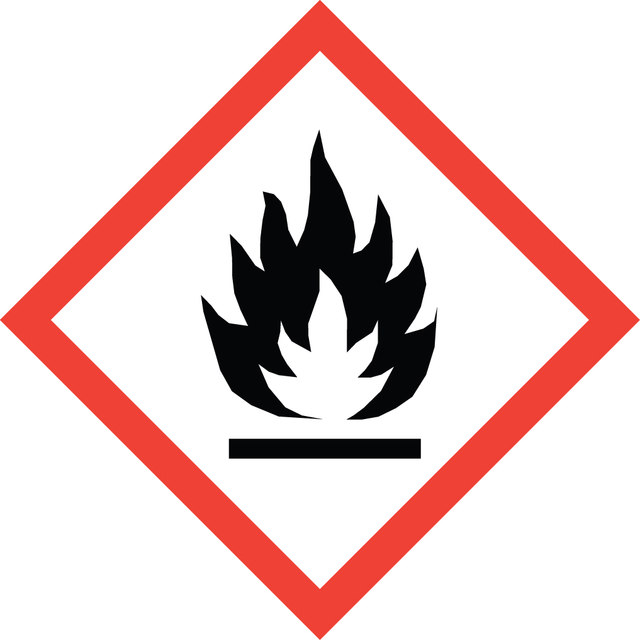

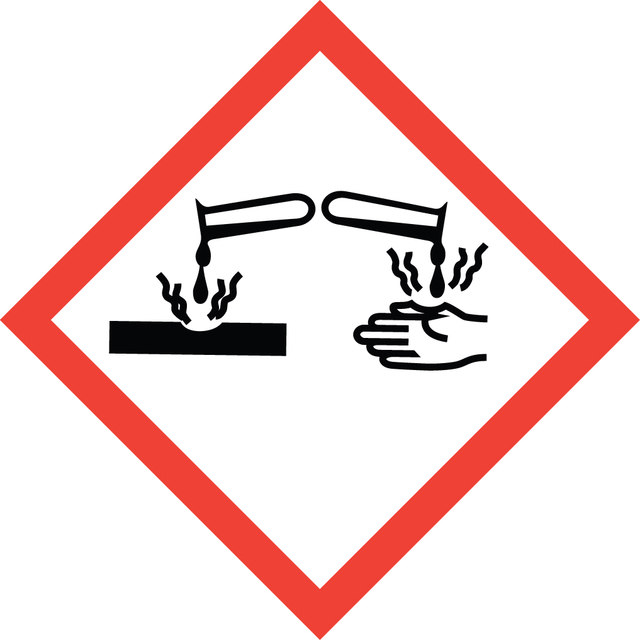

Hazard Classifications
Acute Tox. 4 Oral - Carc. 2 - Eye Dam. 1 - Flam. Liq. 2 - STOT SE 3
Choose from one of the most recent versions:
Already Own This Product?
Find documentation for the products that you have recently purchased in the Document Library.
Articles
Substances are said to be miscible in one another if they dissolve to form a uniform solution. Bookmark or download our miscibility table for common lab solvents.
Se dice que las sustancias son miscibles entre sí si se disuelven hasta formar una disolución uniforme. Marque o descargue nuestra tabla de miscibilidad para los disolventes comunes del laboratorio.
Related Content
The 4L M-Bottle provides safe handling of solvents due to an innovative solvent bottle design with sealing technology to eliminate leaks and reduce risks in solvent dispensing.
Global Trade Item Number
| SKU | GTIN |
|---|---|
| 34865-100ML | 04061837477317 |
| 34865-1L | 04061837477331 |
| 34865-200L-P2 | 04061838227355 |
| 34865-20L | 04061837477355 |
| 34865-2L | 04061837477362 |
| 34865-4L-PW | 04061834320326 |
| 34865-4X2.5L | 04061837477379 |
| 34865-4X4L | 04061837477386 |
| 34865-6X1L | 04061837477393 |
| 34865-12X100ML | 04061837477324 |
| 34865-200L | 04061837286681 |
| 34865-20L-P2 | 04061837286698 |
| 34865-4L | 04061826764367 |
| 34865JP-4X2.5L | 04061837286704 |
| 34865JP-6X1L | 04061837286711 |
| 34865-2.5L | 04061837477348 |