
28-3100

Sodium hypochlorite solution
CP
Sign In to View Organizational & Contract Pricing.
Select a Size
Change View
About This Item
Linear Formula:
NaClO
CAS Number:
Molecular Weight:
74.44
UNSPSC Code:
12352106
PubChem Substance ID:
MDL number:
Grade:
CP
Form:
liquid
grade
CP
form
liquid
composition
available chlorine, ~10%
reaction suitability
reagent type: oxidant
availability
available only in Japan
storage temp.
15-25°C
SMILES string
[Na+].[O-]Cl
InChI
1S/ClO.Na/c1-2;/q-1;+1
InChI key
SUKJFIGYRHOWBL-UHFFFAOYSA-N
Application
- Poly(pyridinium salt)s with organic counterions derived from 3,3′-dimethylnaphthidine: thermal, liquid crystalline, and optical properties.: This research explores the thermal and optical properties of poly(pyridinium salt)s derived from 3,3′-dimethylnaphthidine, highlighting their potential in creating materials with unique electro-optical properties suitable for advanced applications in displays and photovoltaics (Jose et al., 2015).
Still not finding the right product?
Explore all of our products under Sodium hypochlorite solution
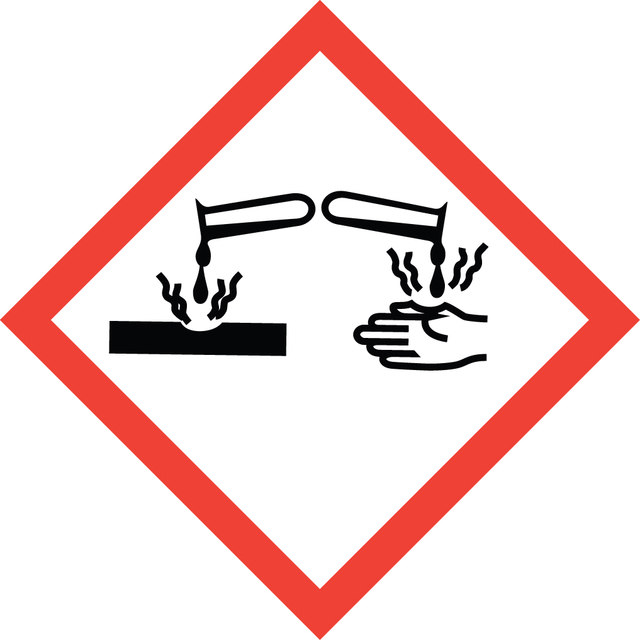
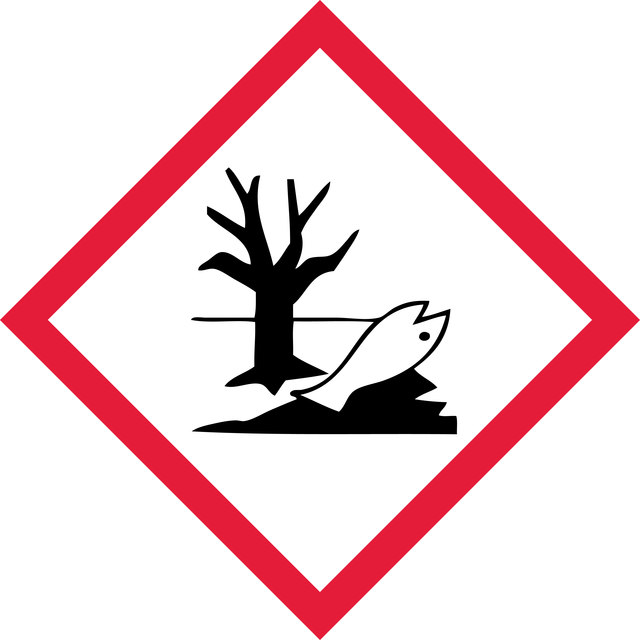
signalword
Danger
hcodes
Hazard Classifications
Aquatic Acute 1 - Aquatic Chronic 2 - Eye Dam. 1 - Met. Corr. 1 - Skin Corr. 1B
supp_hazards
Storage Class
8B - Non-combustible corrosive hazardous materials
wgk
WGK 2
flash_point_f
Not applicable
flash_point_c
Not applicable
Choose from one of the most recent versions:
Already Own This Product?
Find documentation for the products that you have recently purchased in the Document Library.
Bin Chang et al.
Applied and environmental microbiology, 75(1), 147-153 (2008-11-04)
Legionella organisms are prevalent in manmade water systems and cause legionellosis in humans. A rapid detection method for viable Legionella cells combining ethidium monoazide (EMA) and PCR/real-time PCR was assessed. EMA could specifically intercalate and cleave the genomic DNA of
Amy C Degnim et al.
Annals of surgery, 258(2), 240-247 (2013-03-23)
To determine whether bacterial colonization of drains can be reduced by local antiseptic interventions. Drains are a potential source of bacterial entry into surgical wounds and may contribute to surgical site infection after breast surgery. After institutional review board approval
Kyle L Brown et al.
Diabetes, 64(6), 2242-2253 (2015-01-22)
In diabetes, toxic oxidative pathways are triggered by persistent hyperglycemia and contribute to diabetes complications. A major proposed pathogenic mechanism is the accumulation of protein modifications that are called advanced glycation end products. However, other nonenzymatic post-translational modifications may also
Global Trade Item Number
| SKU | GTIN |
|---|---|
| 28-3100-8-20KG-J | 04061833410806 |
| 28-3100-5-500ML-J | 04061838097293 |