
15-2200

2,2,4-Trimethylpentane
SAJ first grade, ≥98.0%
Synonym(s):
Isooctane
Sign In to View Organizational & Contract Pricing.
Select a Size
Change View
About This Item
Linear Formula:
(CH3)2CHCH2C(CH3)3
CAS Number:
Molecular Weight:
114.23
EC Number:
208-759-1
UNSPSC Code:
12191502
PubChem Substance ID:
Beilstein/REAXYS Number:
1696876
MDL number:
Assay:
≥98.0%
Grade:
SAJ first grade
Bp:
98-99 °C (lit.)
Vapor pressure:
41 mmHg ( 21 °C)
grade
SAJ first grade
vapor density
3.9 (vs air)
vapor pressure
41 mmHg ( 21 °C)
assay
≥98.0%
form
liquid
autoignition temp.
745 °F
expl. lim.
6 %
availability
available only in Japan
dilution
(for analytical testing)
refractive index
n20/D 1.391 (lit.)
bp
98-99 °C (lit.)
mp
−107 °C (lit.)
density
0.692 g/mL at 25 °C (lit.)
SMILES string
CC(C)CC(C)(C)C
InChI
1S/C8H18/c1-7(2)6-8(3,4)5/h7H,6H2,1-5H3
InChI key
NHTMVDHEPJAVLT-UHFFFAOYSA-N
Still not finding the right product?
Explore all of our products under 2,2,4-Trimethylpentane
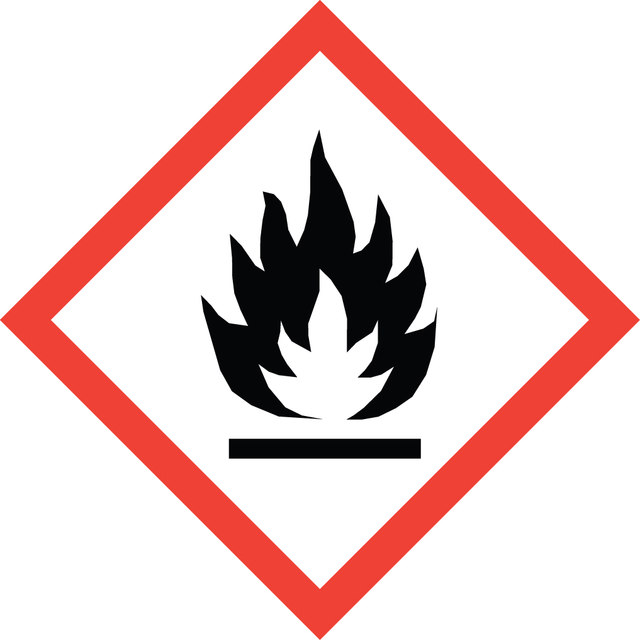


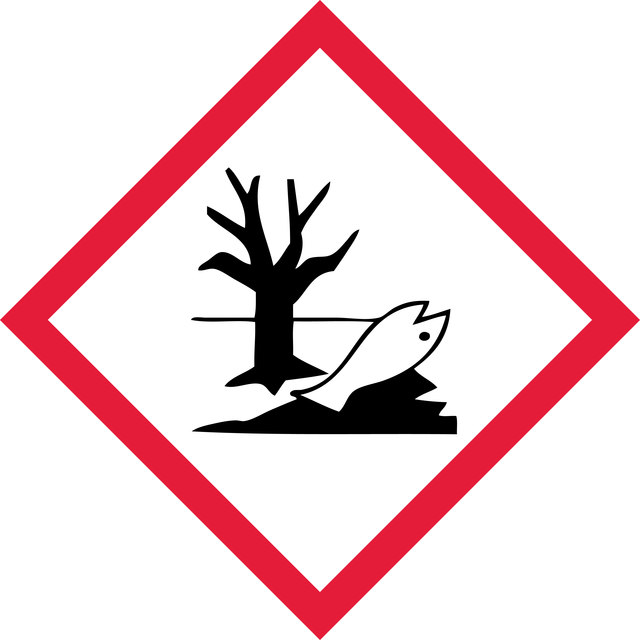
signalword
Danger
hcodes
Hazard Classifications
Aquatic Acute 1 - Aquatic Chronic 1 - Asp. Tox. 1 - Flam. Liq. 2 - Skin Irrit. 2 - STOT SE 3
target_organs
Central nervous system
Storage Class
3 - Flammable liquids
wgk
WGK 2
flash_point_f
10.4 °F - closed cup
flash_point_c
-12 °C - closed cup
ppe
Eyeshields, Faceshields, Gloves, type ABEK (EN14387) respirator filter
Choose from one of the most recent versions:
Already Own This Product?
Find documentation for the products that you have recently purchased in the Document Library.
Minguk Shin et al.
Biomolecules, 10(1) (2020-01-08)
Current methods for the production of esters, including chemical synthesis and extraction from natural sources, are hindered by low yields and environmental pollution. The enzymatic synthesis of these compounds could help overcome these problems. In this study, phenethyl formate, a
Kyung Min Park et al.
Food chemistry, 138(2-3), 733-738 (2013-02-16)
In this study, we investigated the possibility of reversed micelles, widely used as an enzyme reactor for lipases, for the determination of lipoxygenase activity. Although it is rapid and simple, reversed micelles have some limitations, such as interference by UV-absorbing
Aram Kang et al.
Molecular bioSystems, 8(4), 1350-1358 (2012-02-14)
Microbial tolerance to hydrocarbons has been studied in an effort to improve the productivity of biochemical processes and to enhance the efficiency of hydrocarbon bioremediation. Despite these studies, few attempts have been made to design rational strategies to improve microbial
Global Trade Item Number
| SKU | GTIN |
|---|---|
| 15-2200-5-500ML-J | 04061837733383 |
| 15-2200-8-18L-J | 04061837733390 |