
05-5895

Copper(II) chloride
SAJ first grade, ≥98.0%
Synonym(s):
Cupric chloride
Sign In to View Organizational & Contract Pricing.
Select a Size
Change View
About This Item
Linear Formula:
CuCl2
CAS Number:
Molecular Weight:
134.45
UNSPSC Code:
12352302
PubChem Substance ID:
MDL number:
grade
SAJ first grade
assay
≥98.0%
form
solid
reaction suitability
reagent type: catalyst
core: copper
availability
available only in Japan
mp
620 °C (lit.)
density
3.386 g/mL at 25 °C (lit.)
storage temp.
15-25°C
SMILES string
Cl[Cu]Cl
InChI
1S/2ClH.Cu/h2*1H;/q;;+2/p-2
InChI key
ORTQZVOHEJQUHG-UHFFFAOYSA-L
Still not finding the right product?
Explore all of our products under Copper(II) chloride
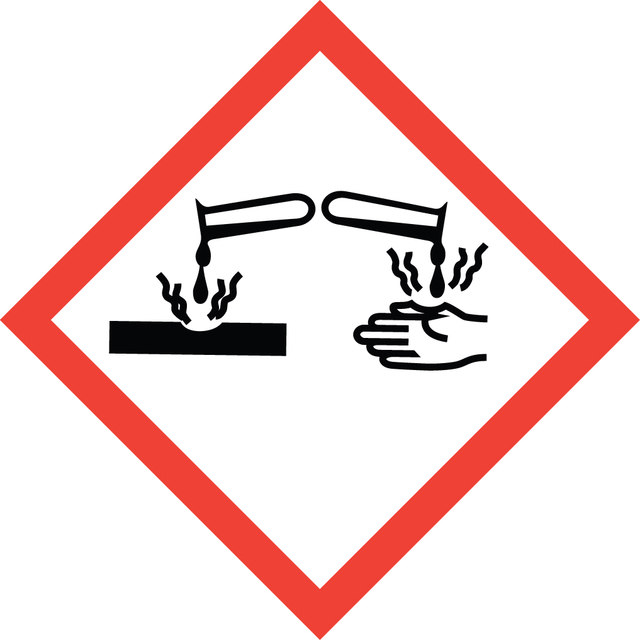
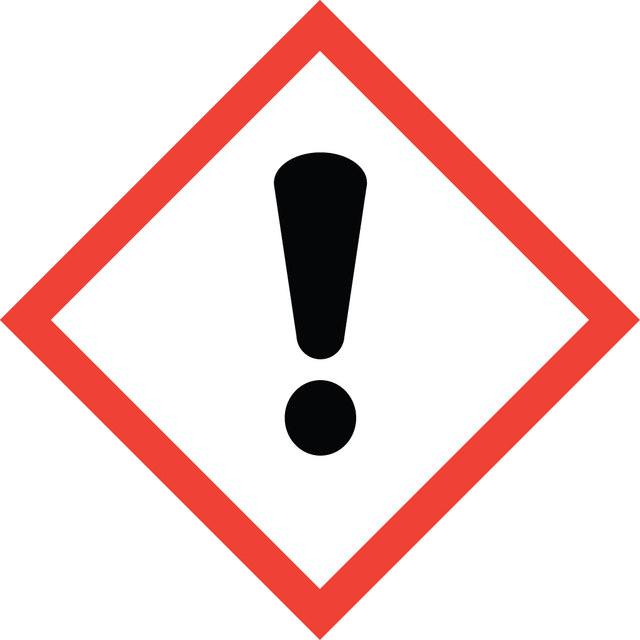
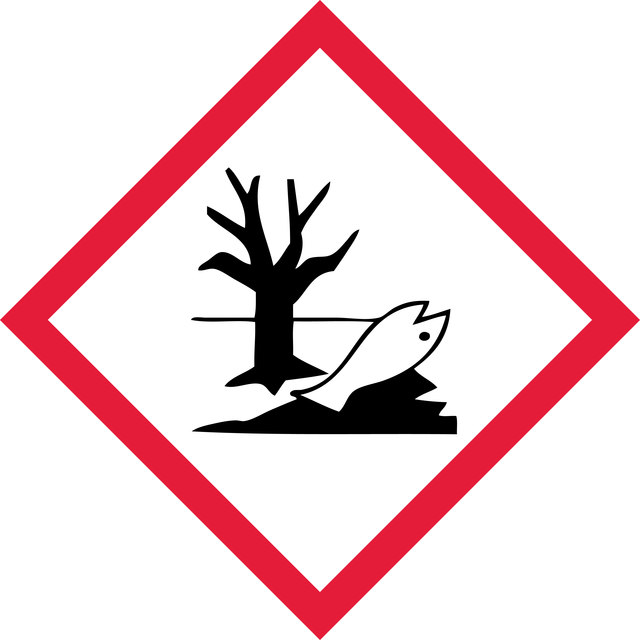
signalword
Danger
Hazard Classifications
Acute Tox. 4 Dermal - Acute Tox. 4 Oral - Aquatic Acute 1 - Aquatic Chronic 2 - Eye Dam. 1 - Skin Irrit. 2
Storage Class
8A - Combustible corrosive hazardous materials
wgk
WGK 3
Choose from one of the most recent versions:
Already Own This Product?
Find documentation for the products that you have recently purchased in the Document Library.
The plant decapeptide OSIP108 prevents copper-induced toxicity in various models for Wilson disease.
Pieter Spincemaille et al.
Toxicology and applied pharmacology, 280(2), 345-351 (2014-08-20)
Wilson disease (WD) is caused by accumulation of excess copper (Cu) due to a mutation in the gene encoding the liver Cu transporter ATP7B, and is characterized by acute liver failure or cirrhosis and neuronal cell death. We investigated the
Su-Jeong Kim et al.
Free radical biology & medicine, 53(4), 936-950 (2012-06-12)
Loss-of-function mutations in the PARK7/DJ-1 gene cause early onset autosomal-recessive Parkinson disease. DJ-1 has been implicated in protection of neurons from oxidative stress and in regulation of transcriptional activity. However, whether there is a relationship between the subcellular localization of
Landon John G Edgar et al.
Organic letters, 14(16), 4226-4229 (2012-08-01)
Glycosyl 1-phosphates enriched in the α-anomer are obtained without the use of protecting groups in two steps starting from the free hemiacetal. Condensation of free hemiacetals with toluenesulfonylhydrazide yields a range of glycosylsulfonohydrazide donors which can be oxidized using cupric
Global Trade Item Number
| SKU | GTIN |
|---|---|
| 05-5895-5-500G-J | 04061832570471 |