Skip to Content
MilliporeSigma

700339

Titanium(IV) oxide, mixture of rutile and anatase
nanoparticles, <100 nm particle size, dispersion, 48-52 wt. % in xylene, 99.9% trace metals basis

Synonym(s):

Titanium dioxide

Sign In to View Organizational & Contract Pricing.

Select a Size

Change View

About This Item

Linear Formula:
TiO2
CAS Number:
Molecular Weight:
79.87
NACRES:
NA.23
PubChem Substance ID:
UNSPSC Code:
12352302
MDL number:
Technical Service
Need help? Our team of experienced scientists is here for you.
Let Us Assist


assay

99.9% trace metals basis

form

dispersion, nanoparticles

concentration

48-52 wt. % in xylene

particle size

<100 nm, ~30 nm (primary particle size of starting nanopowder)

bp

>135 °C

SMILES string

O=[Ti]=O

InChI

1S/2O.Ti

InChI key

GWEVSGVZZGPLCZ-UHFFFAOYSA-N

General description

Crystal phase: anatase/rutile mixture (ca. 80:20)


Still not finding the right product?


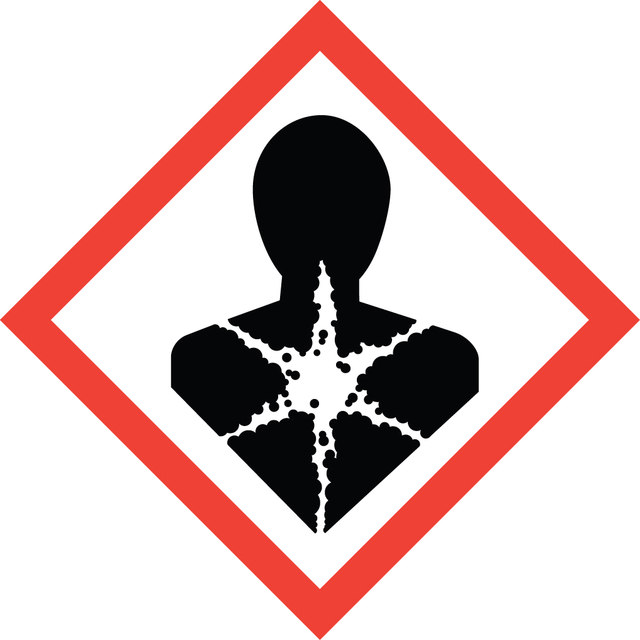
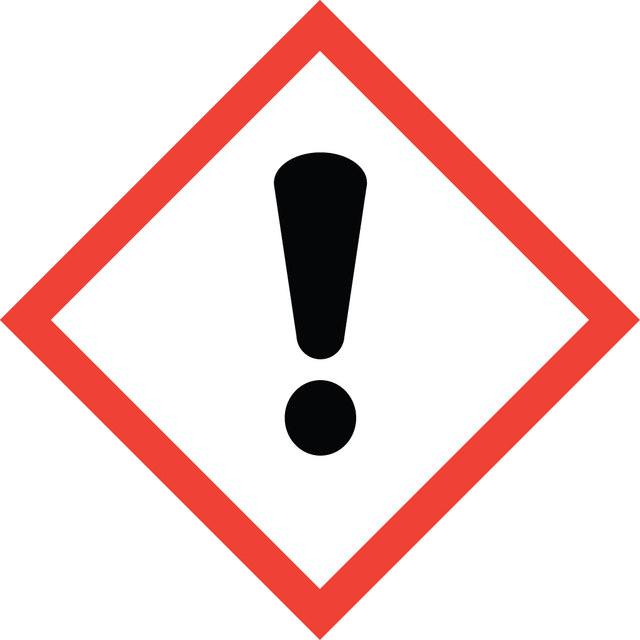
signalword

Danger

Hazard Classifications

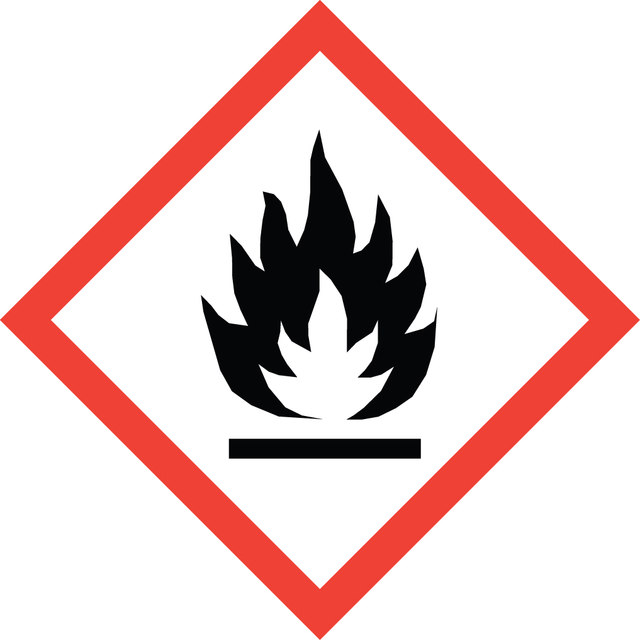
Aquatic Chronic 3 - Asp. Tox. 1 - Eye Dam. 1 - Flam. Liq. 3 - Skin Corr. 1B - STOT RE 2 Inhalation - STOT SE 3

target_organs

Central nervous system,Liver,Kidney, Respiratory system

Storage Class

3 - Flammable liquids

wgk

WGK 3

flash_point_f

80.6 °F

flash_point_c

27 °C


Choose from one of the most recent versions:

Certificates of Analysis (COA)

Lot/Batch Number

Don't see the Right Version?

If you require a particular version, you can look up a specific certificate by the Lot or Batch number.

Already Own This Product?

Find documentation for the products that you have recently purchased in the Document Library.

Visit the Document Library


Articles

Nanomaterials are considered a route to the innovations required for large-scale implementation of renewable energy technologies in society to make our life sustainable.

Controlled synthesis of metal clusters regulates ligands and atoms, advancing metal nanomaterial synthesis.

Operation principle and market dominance of single crystalline silicon solar cells.

View All Articles

Suxin Gui et al.
Journal of agricultural and food chemistry, 61(37), 8959-8968 (2013-08-24)
TiO₂ nanoparticles (NPs) are used in the food industry but have potential toxic effects in humans and animals. TiO₂ NPs impair renal function and cause oxidative stress and renal inflammation in mice, associated with inhibition of nuclear factor erythroid-2-related factor
Susan C Tilton et al.
Nanotoxicology, 8(5), 533-548 (2013-05-11)
The growing use of engineered nanoparticles (NPs) in commercial and medical applications raises the urgent need for tools that can predict NP toxicity. Global transcriptome and proteome analyses were conducted on three human cell types, exposed to two high aspect
Alessia D'Agata et al.
Nanotoxicology, 8(5), 549-558 (2013-05-24)
Marine bivalves (Mytilus galloprovincialis) were exposed to titanium dioxide (10 mg L(-1)) either as engineered nanoparticles (nTiO2; fresh, or aged under simulated sunlight for 7 days) or the bulk equivalent. Inductively coupled plasma-optical emission spectrometry analyses of mussel tissues showed


Global Trade Item Number

SKUGTIN
700339-100G04061832795508