Skip to Content
MilliporeSigma

415324

N-Isopropylacrylamide

97%

Synonym(s):

NIPAM

Sign In to View Organizational & Contract Pricing.

Select a Size

Change View

About This Item

Linear Formula:
H2C=CHCONHCH(CH3)2
CAS Number:
Molecular Weight:
113.16
NACRES:
NA.23
PubChem Substance ID:
UNSPSC Code:
12162002
EC Number:
218-638-5
MDL number:
Technical Service
Need help? Our team of experienced scientists is here for you.
Let Us Assist


Quality Level

assay

97%

bp

89-92 °C/2 mmHg (lit.)

mp

60-63 °C (lit.)

SMILES string

CC(C)NC(=O)C=C

InChI

1S/C6H11NO/c1-4-6(8)7-5(2)3/h4-5H,1H2,2-3H3,(H,7,8)

InChI key

QNILTEGFHQSKFF-UHFFFAOYSA-N

General description

N-Isopropylacrylamide (NIPAM) is a biocompatible monomeric unit that can be used in the formation of stimuli responsive polymers due to its temperature sensitive properties, which include temperature-based volumetric and phase changes. These properties change when the temperature of the solution reaches a lower critical solution temperature (LCST).

Application

Monomer used in the preparation of thermally sensitive, water-swellable hydrogels.
NIPAM can be used to prepare poly(NIPAM) based thermosetting polymers, which can be used for a variety of applications such as tissue engineering, cell culture, biomedical coating, drug delivery, and muscle regeneration.


Still not finding the right product?

Explore all of our products under N-Isopropylacrylamide
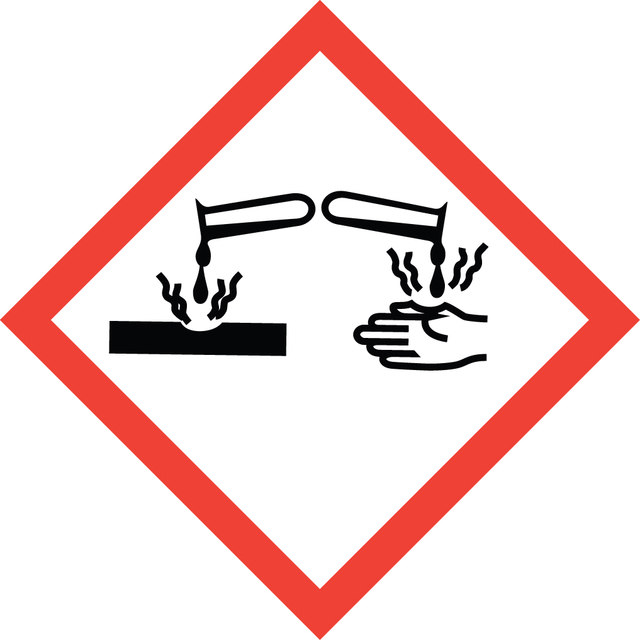

pictograms

CorrosionExclamation mark

signalword

Danger

hcodes

Hazard Classifications

Acute Tox. 4 Oral - Eye Dam. 1

Storage Class

11 - Combustible Solids

wgk

WGK 3

ppe

dust mask type N95 (US), Eyeshields, Faceshields, Gloves


Choose from one of the most recent versions:

Certificates of Analysis (COA)

Lot/Batch Number

Don't see the Right Version?

If you require a particular version, you can look up a specific certificate by the Lot or Batch number.

Already Own This Product?

Find documentation for the products that you have recently purchased in the Document Library.

Visit the Document Library


Articles

Tissue engineering has become a key therapeutic tool in the treatment of damaged or diseased organs and tissues, such as blood vessels and urinary bladders.

Professor Mitsuhiro Ebara provides insights on several types of smart nanofiber mesh systems that have been explored for different drug delivery purposes.


Saunders, B.R.
Surfactant Science Series, 115, 419-419 (2003)
Bio-Instructive Scaffolds for Muscle Regeneration: NonCrosslinked Polymers
Bio-Instructive Scaffolds for Musculoskeletal Tissue Engineering and Regenerative Medicine, 34(9), 161-186 (2017)
Characterisation of biomedical coatings
Coatings for Biomedical Applications, 32(5), 176-220 (2012)


Global Trade Item Number

SKUGTIN
415324-10G04061832086392
415324-500G04065274107844
415324-50G04061832086446