
CRM48905

Polynuclear Aromatic Hydrocarbons Mix
certified reference material, TraceCERT®, 2000 μg/mL each component in methylene chloride: benzene (1:1)
Synonym(s):
PNAs
Sign In to View Organizational & Contract Pricing.
Select a Size
Change View
About This Item
NACRES:
NA.24
UNSPSC Code:
41116107
Quality Level
product line
TraceCERT®
grade
certified reference material, TraceCERT®
CofA
current certificate can be downloaded
feature
standard type calibration
packaging
ampule of 1 mL
concentration
2000 μg/mL each component in methylene chloride: benzene (1:1)
technique(s)
HPLC: suitable, gas chromatography (GC): suitable
application(s)
environmental
format
multi-component solution
storage temp.
2-8°C
Application
Refer to the product′s Certificate of Analysis for more information on a suitable instrument technique. Contact Technical Service for further support.
Other Notes
This Certified Reference Material (CRM) is produced and certified in accordance with ISO 17034 and ISO/IEC 17025. All information regarding the use of this CRM can be found on the certificate of analysis.
Legal Information
TraceCERT is a registered trademark of Merck KGaA, Darmstadt, Germany
Still not finding the right product?
Explore all of our products under Polynuclear Aromatic Hydrocarbons Mix
Analyte
Description
- Acenaphthene
- Acenaphthylene
- Anthracene
- Benz[a]anthracene
- Benzo[b]fluoranthene
- Benzo[k]fluoranthene
- Benzo[ghi]perylene
- Benzo[a]pyrene
- Chrysene
- Dibenz[a,h]anthracene
- Fluoranthene
- Fluorene
- Indeno[1,2,3-cd]pyrene
- Naphthalene
- Phenanthrene
- Pyrene
See All (16)
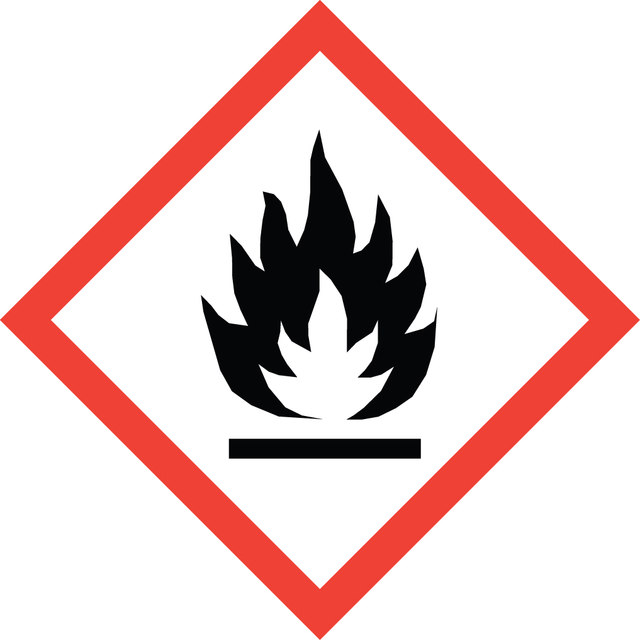
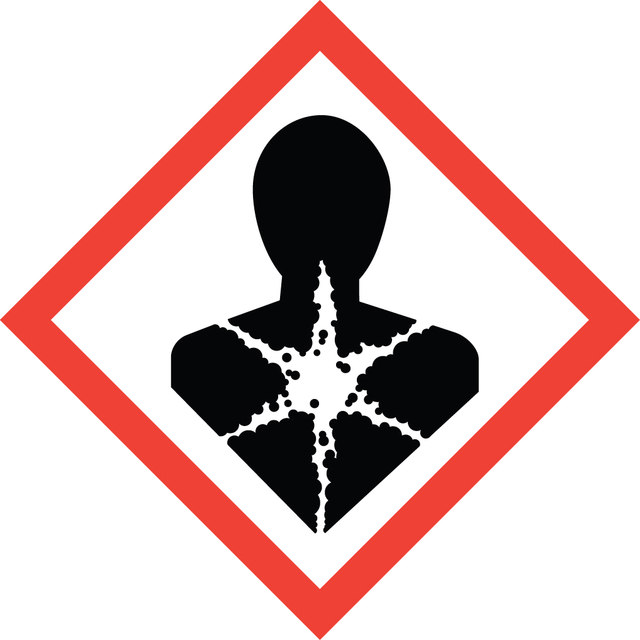
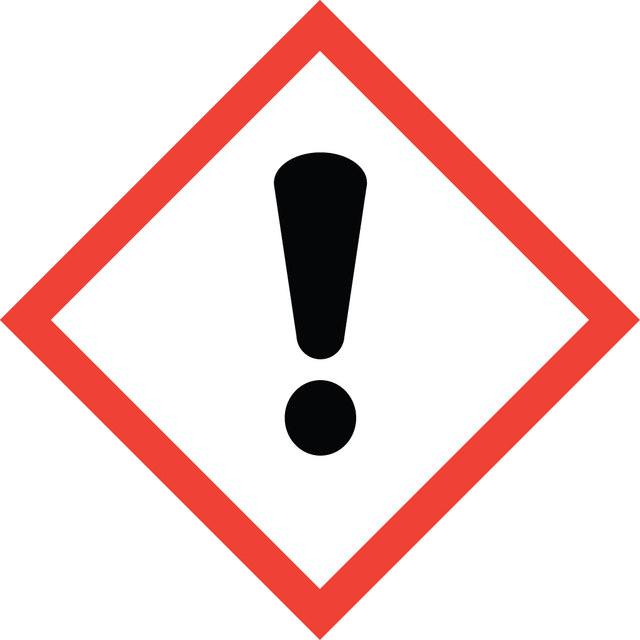
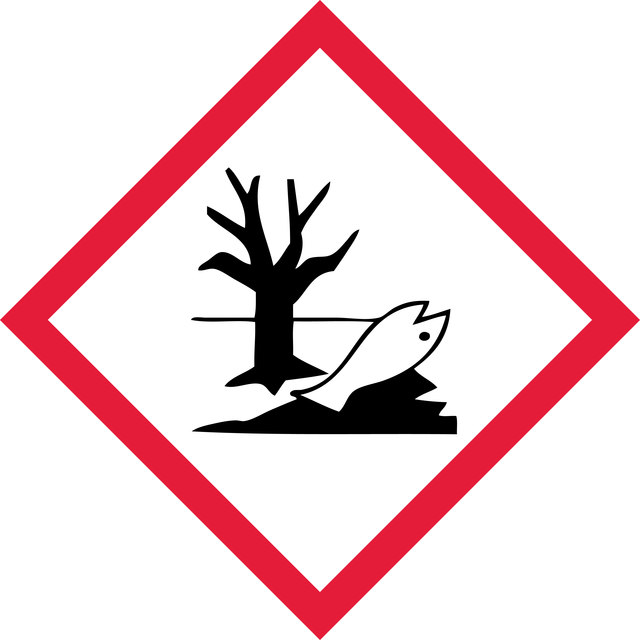
signalword
Danger
flash_point_f
12.0 °F
flash_point_c
-11.1 °C
Certificates of Analysis (COA)
Search for Certificates of Analysis (COA) by entering the products Lot/Batch Number. Lot and Batch Numbers can be found on a product’s label following the words ‘Lot’ or ‘Batch’.
Already Own This Product?
Find documentation for the products that you have recently purchased in the Document Library.
José Beirão et al.
Environmental pollution (Barking, Essex : 1987), 241, 521-528 (2018-06-09)
The effects of petroleum aromatic hydrocarbons (PAHs) on the embryonic and larval life stages of teleosts have been extensively examined. However, very little work has been conducted on how spilled oil affects fish sperm and there is no related knowledge
Abhrajyoti Tarafdar et al.
Environmental geochemistry and health, 42(6), 1691-1704 (2019-05-28)
Children can get affected by polycyclic aromatic hydrocarbons (PAHs) while they interact with play area soil/rubber surfacing and exposed to PAHs by dermal contact, inhalation and hand-to-mouth activity. A comparative study has been conducted on PAHs profiling and probable cancer
Global Trade Item Number
| SKU | GTIN |
|---|---|
| CRM48905 | 04061833542729 |