
204390

Silver nitrate
99.9999% trace metals basis
Synonym(s):
Nitric acid silver(I) salt
Select a Size
About This Item
vapor density
5.8 (vs air)
assay
99.9999% trace metals basis
form
crystalline, solid
reaction suitability
core: silver
impurities
≤1.5 ppm Trace Metal Analysis
mp
212 °C (dec.) (lit.)
application(s)
PEM fuel cells
homogeneous catalyst
material synthesis precursor
SMILES string
[O-][N+]([O-])=O.[Ag+]
InChI
1S/Ag.NO3/c;2-1(3)4/q+1;-1
InChI key
SQGYOTSLMSWVJD-UHFFFAOYSA-N
General description
Application
- An activator in Ni-P coating of fly-ash cenosphere particles by the electroless method.
- A silver precursor to prepare Ag–TiO2 nanomaterials applicable in the photocatalytic degradation of rhodamine 6G dye molecule.
- Hydrolytic oxidation of organosilanes to generate hydrogen.
- Oxidation of a variety of aldehydes to corresponding carboxylic acids in the presence of H2O2 as an oxidizer.
Still not finding the right product?
Explore all of our products under Silver nitrate
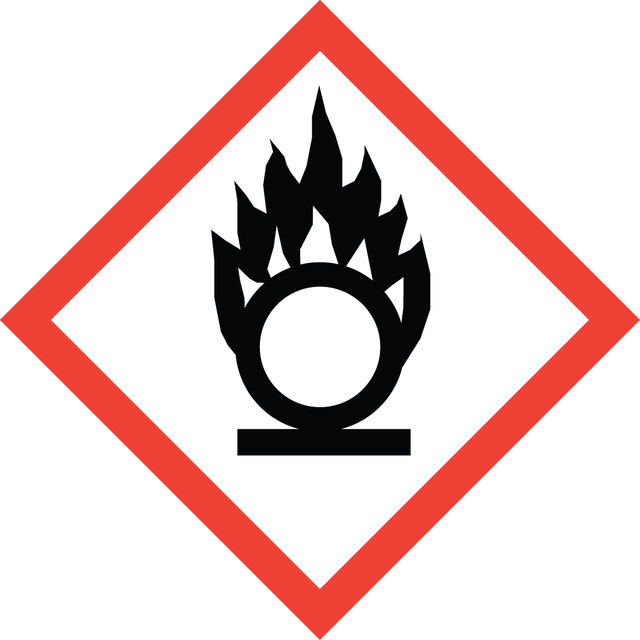
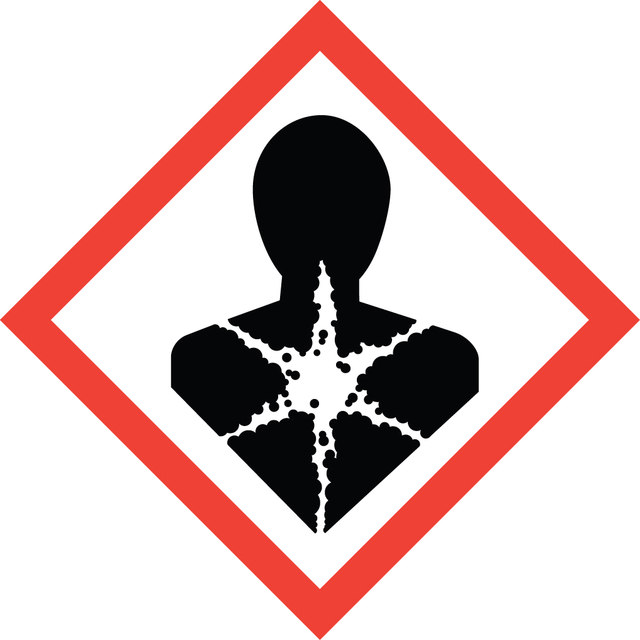

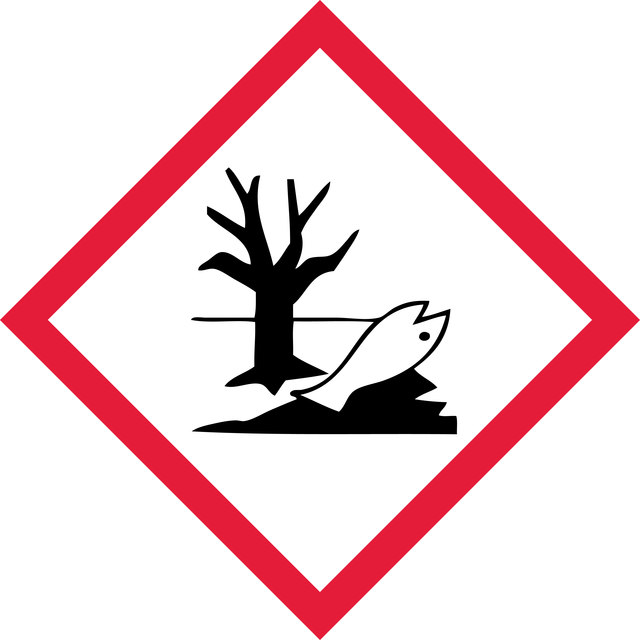
signalword
Danger
Hazard Classifications
Aquatic Acute 1 - Aquatic Chronic 1 - Eye Dam. 1 - Met. Corr. 1 - Ox. Sol. 2 - Repr. 1B - Skin Corr. 1A
Storage Class
5.1B - Oxidizing hazardous materials
wgk
WGK 3
flash_point_f
Not applicable
flash_point_c
Not applicable
ppe
Eyeshields, Faceshields, Gloves, type P3 (EN 143) respirator cartridges
Choose from one of the most recent versions:
Already Own This Product?
Find documentation for the products that you have recently purchased in the Document Library.
Articles
Oxidation and reduction reactions are some of the most common transformations encountered in organic synthesis, and are some of the organic chemist’s most powerful tools for creating novel products. Below is a list of the most commonly used oxidizing and reducing agents currently available in our catalog.
银纳米材料具有独特的物理、化学以及光学性质,目前正在用于各种的生物应用。
Oxidation and reduction reactions are some of the most common transformations encountered in organic synthesis
Related Content
This application note discusses the synthesis of silver nanowires.
Global Trade Item Number
| SKU | GTIN |
|---|---|
| 204390-250G | 04061838138255 |
| 204390-10G | 04061838096432 |
| 204390-1G | 04061838766892 |
| 204390-2KG | 04061833605646 |
| 204390-50G | 04061838766908 |