콘텐츠로 건너뛰기
Merck

32213-M

Methanol

≥99.8% (GC), ACS reagent, reag. Ph. Eur., USP/NF, reag. ISO

동의어(들):

Methyl alcohol

조직 및 계약 가격을 보려면 로그인를 클릭합니다.

크기 선택

보기 변경

제품정보 (DICE 배송 시 비용 별도)

Linear Formula:
CH3OH
CAS 번호:
Molecular Weight:
32.04
NACRES:
NA.21
PubChem Substance ID:
UNSPSC Code:
12352104
EC Number:
200-659-6
MDL number:
Beilstein/REAXYS Number:
1098229
Assay:
≥99.8% (GC)
Technique(s):
HPLC: suitable
Bp:
64.7 °C (lit.)
Vapor pressure:
410 mmHg ( 50 °C), 97.68 mmHg ( 20 °C)
기술 서비스
도움이 필요하신가요? 저희 숙련된 과학자 팀이 도와드리겠습니다.
도움 문의


제품 이름

Methanol, puriss. p.a., ACS reagent, reag. ISO, reag. Ph. Eur., ≥99.8% (GC)

agency

USP/NF, reag. ISO, reag. Ph. Eur.

vapor density

1.11 (vs air)

vapor pressure

410 mmHg ( 50 °C), 97.68 mmHg ( 20 °C)

grade

ACS reagent, puriss. p.a.

assay

≥99.8% (GC)

form

liquid

autoignition temp.

725 °F

expl. lim.

36 %

technique(s)

HPLC: suitable

impurities

≤0.00005% free alkali (as NH3), ≤0.0001% formaldehyde, ≤0.00025% KMnO4 red. matter (as O), ≤0.0005% non-volatile matter, ≤0.001% acetaldehyde, ≤0.001% acetone (GC), ≤0.05% water (Karl Fischer), ≤0.1% ethanol (GC)

refractive index

n20/D 1.329 (lit.)

bp

64.7 °C (lit.)

mp

−98 °C (lit.)

density

0.791 g/mL at 25 °C (lit.)

anion traces

chloride (Cl-): ≤0.5 mg/kg, sulfate (SO42-): ≤1 mg/kg

SMILES string

CO

cation traces

Al: ≤0.50 ppm, B: ≤0.02 ppm, Ba: ≤0.10 ppm, Bi: ≤0.10 ppm, Ca: ≤0.50 ppm, Cd: ≤0.05 ppm, Co: ≤0.02 ppm, Cr: ≤0.02 ppm, Cu: ≤0.01 ppm, Fe: ≤0.10 ppm, K: ≤0.50 ppm, Li: ≤0.10 ppm, Mg: ≤0.10 ppm, Mn: ≤0.01 ppm, Mo: ≤0.10 ppm, Na: ≤0.50 ppm, Ni: ≤0.02 ppm, Pb: ≤0.02 ppm, Sn: ≤0.10 ppm, Sr: ≤0.10 ppm, Zn: ≤0.10 ppm

format

neat

InChI

1S/CH4O/c1-2/h2H,1H3

InChI key

OKKJLVBELUTLKV-UHFFFAOYSA-N

General description

Methanol is an organic solvent that can be synthesized from syngas in the presence of CuO/ZnO/Al2O3 catalysts. It is an ideal candidate as a hydrogen source in fuel cell technology due to its high H/C ratio, low propensity for soot generation, relatively low reforming temperature and as it exists in liquid state at room temperature. In a direct methanol fuel cell (DMFC), methanol undergoes oxidation with air to generate electricity. The olefins (ethylene or propylene) formed from methanol via MTO (methanol-to-olefins) process, can be an alternate to oil and gas to produce hydrocarbon fuels.
Thermochemical conversion of methanol to C2-C10 hydrocarbons in the presence of shape-selective zeolites has been reported. Its oxidation on Ru-Pt catalyst system by ruthenium ad-atoms has been proposed.

Application

Methanol was used in the following studies:
  • Colony forming unit-fibroblast assay of bone marrow mononuclear cells.
  • As solvent for the preparation of extracts of hyphae of Aspergillus for the estimation of gliotoxin by reversed phase-HPLC.
  • Immunofluorescence studies.

Packaging
In PE-bottles; also available Glass-bottles (Material no. ending with *-GL)


Still not finding the right product?

Explore all of our products under


signalword

Danger

Hazard Classifications

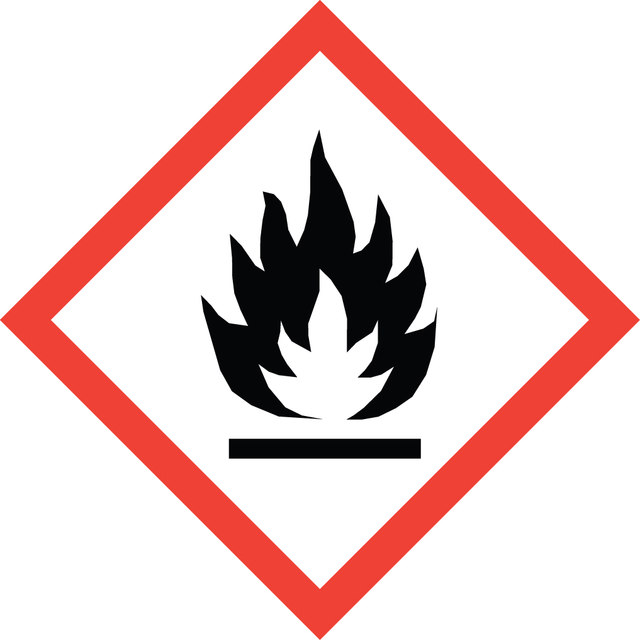
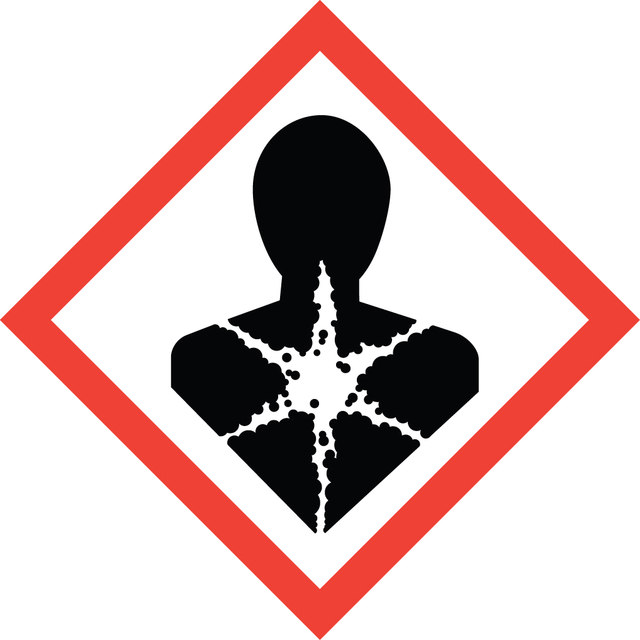
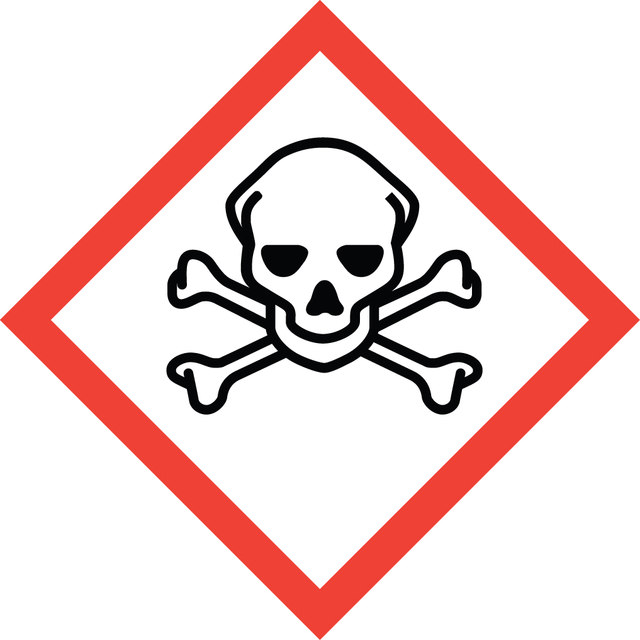
Acute Tox. 3 Dermal - Acute Tox. 3 Inhalation - Acute Tox. 3 Oral - Flam. Liq. 2 - STOT SE 1

target_organs

Eyes,Central nervous system

저장 등급

3 - Flammable liquids

wgk

WGK 2

flash_point_f

49.5 °F - closed cup

flash_point_c

9.7 °C - closed cup


가장 최신 버전 중 하나를 선택하세요:

시험 성적서(COA)

Lot/Batch Number

It looks like we've run into a problem, but you can still download Certificates of Analysis from our 문서 section.

도움이 필요하시면 연락하세요. 고객 지원 부서

이 제품을 이미 가지고 계십니까?

문서 라이브러리에서 최근에 구매한 제품에 대한 문서를 찾아보세요.

문서 라이브러리 방문


Emer P Reeves et al.
Mycopathologia, 158(1), 73-79 (2004-10-19)
Aspergillus fumigatus is a pathogenic fungus capable of causing both allergic lung disease and invasive aspergillosis, a serious, life-threatening condition in neutropenic patients. Aspergilli express an array of mycotoxins and enzymes which may facilitate fungal colonisation of host tissue. In
Venkata Lokesh Battula et al.
Haematologica, 94(2), 173-184 (2008-12-11)
Conventionally, mesenchymal stem cells are functionally isolated from primary tissue based on their capacity to adhere to a plastic surface. This isolation procedure is hampered by the unpredictable influence of co-cultured hematopoietic and/or other unrelated cells and/or by the elimination