
147230

Acrylic acid
anhydrous, contains 200 ppm MEHQ as inhibitor, 99%
Synonym(s):
2-Propenoic acid
Select a Size
About This Item
grade
anhydrous
Quality Level
vapor density
2.5 (vs air)
vapor pressure
4 mmHg ( 20 °C)
assay
99%
form
liquid
autoignition temp.
744 °F
contains
200 ppm MEHQ as inhibitor
expl. lim.
13.7 %
bp
139 °C (lit.)
mp
13 °C (lit.)
density
1.051 g/mL at 25 °C (lit.)
SMILES string
OC(=O)C=C
InChI
1S/C3H4O2/c1-2-3(4)5/h2H,1H2,(H,4,5)
InChI key
NIXOWILDQLNWCW-UHFFFAOYSA-N
General description
Application
Acrylic acid can also be used as:
- A key component in the preparation of copolymer binder, which helps to optimize the performance of lithium-ion batteries.
- A surface modifier for the carbon nanotubes with poly(acrylic acid) in order to improve adhesion and dispersion of the nanotubes in the oxide semiconductor matrix for thin-film transistor applications.
- A reactive monomer for the surface modification of polydimethylsiloxane (PDMS)through a simultaneous polymerization process with ethylene glycol dimethacrylate. Modified PDMS potentially applied in new applications fields such as microfluidics or biomedical devices.
- A precursor for the synthesis of cashew gum/acrylic acid nanoparticles via the copolymerization process. The use of acrylic acid in the synthesis is to introduce hydrophilic functional groups into the cashew gum backbone, thereby improving its solubility in water and increasing its compatibility with other hydrophilic materials.
Still not finding the right product?
Explore all of our products under Acrylic acid
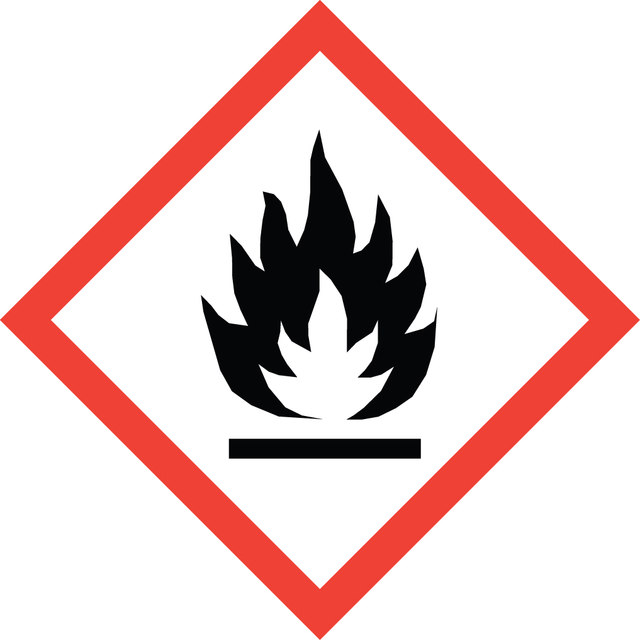
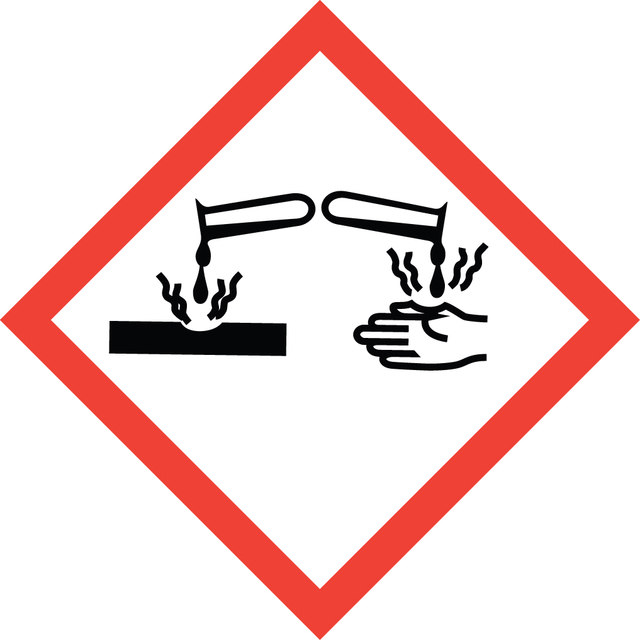

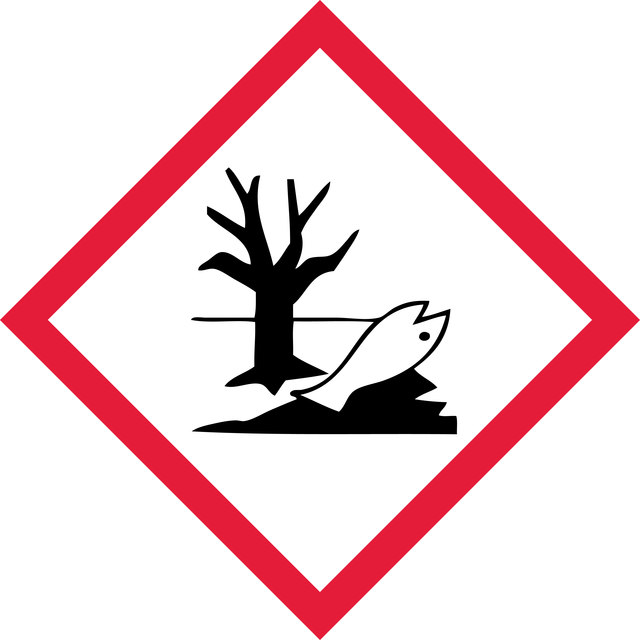
signalword
Danger
Hazard Classifications
Acute Tox. 4 Dermal - Acute Tox. 4 Inhalation - Acute Tox. 4 Oral - Aquatic Acute 1 - Aquatic Chronic 2 - Eye Dam. 1 - Flam. Liq. 3 - Skin Corr. 1A - STOT SE 3
target_organs
Respiratory system
Storage Class
3 - Flammable liquids
wgk
WGK 2
flash_point_f
119.3 °F - closed cup
flash_point_c
48.5 °C - closed cup
ppe
Faceshields, Gloves, Goggles, type ABEK (EN14387) respirator filter
Choose from one of the most recent versions:
Already Own This Product?
Find documentation for the products that you have recently purchased in the Document Library.
Articles
RAFT(가역적 첨가 분해 연쇄 이동) 중합은 RDRP(가역 불활성 라디칼 중합)이며, 라디칼 중합에 리빙 특성을 제공하는 다목적 방법 중 하나입니다.
Innovation in dental restorative materials is driven by the need for biocompatible and natural-appearing restoration alternatives. Conventional dental materials like amalgam and composite resins have inherent disadvantages.
RAFT polymerization offers living characteristics to radical polymerization, contributing versatility to reversible deactivation radical polymerization methods.
Global Trade Item Number
| SKU | GTIN |
|---|---|
| 147230-100G | 04061837399060 |
| 147230-18KG | 04061838737274 |
| 147230-204KG | 04061837399084 |
| 147230-2.5L | 04061837403675 |
| 147230-3KG | 04061838737281 |
| 147230-500G | 04061837399091 |
| 147230-5G | 04061837399107 |