
TP0100

Total Protein Kit, Micro
Synonyme(s) :
Bradford
Se connecter pour consulter les tarifs organisationnels et contractuels.
Sélectionner une taille de conditionnement
Changer de vue
A propos de cet article
NACRES:
NA.32
UNSPSC Code:
12352202
Service technique
Besoin d'aide ? Notre équipe de scientifiques expérimentés est là pour vous.
Laissez-nous vous aiderdescription
wavelength 595 nm
total test time 2 min
working reagent stability 18-26°C for 2 weeks
dynamic range 50 mg/dL 0.5 g/L
Quality Level
parameter
18-26 °C temperature, 50 μL sample volume
storage temp.
2-8°C
General description
Protein determination is one of the most common operations performed in biochemical research. Total protein kit, micro provides a simple, rapid, and highly sensitive method requiring only 50 μL or less sample.
Application
Total protein kit, micro has been used to determine:
- total protein in the bacterial homogenate by Bradford method
- total protein content by the Bradford microassay from the tissue extracts
- serum total protein
- soluble protein content by the Bradford method from leaves
Colorimetric, Endpoint
Suitable for protein determination for samples of up to 0.5 mg/ml.
Biochem/physiol Actions
Brilliant blue G (Coomassie blue) reacts with protein in an acid-alcohol medium to form a blue-colored protein dye complex. The color, measured at 595 nm, is proportional to the protein concentration.
Total protein kit, micro can be used to determine the concentration of proteins in solution.
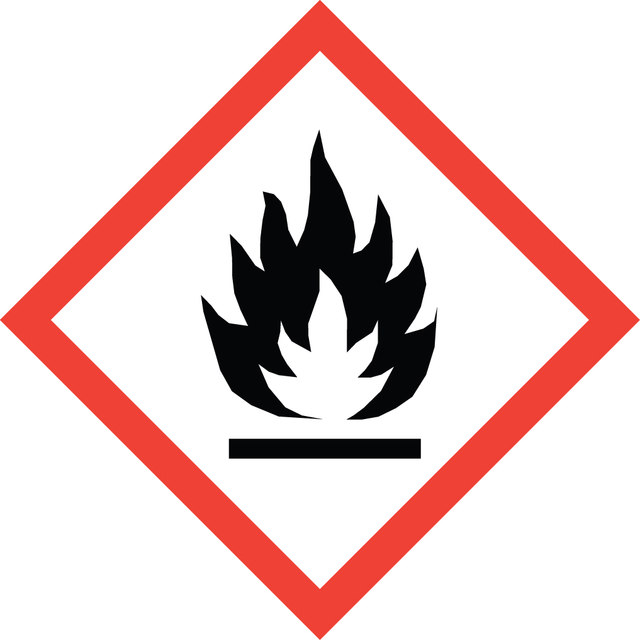
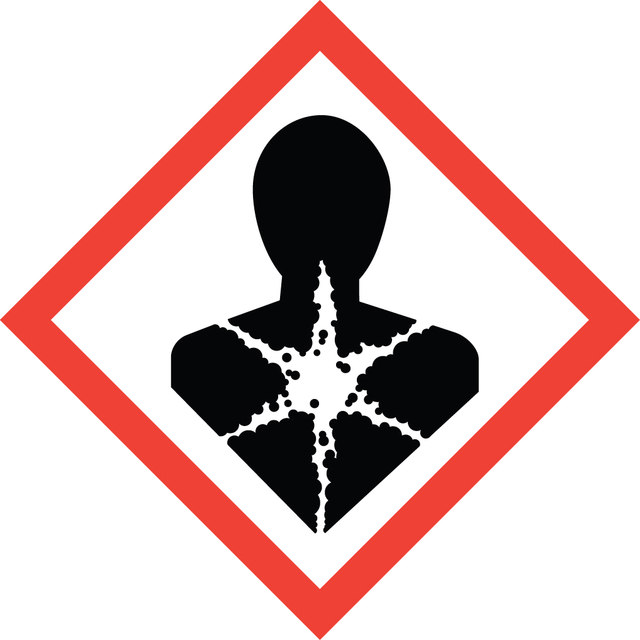


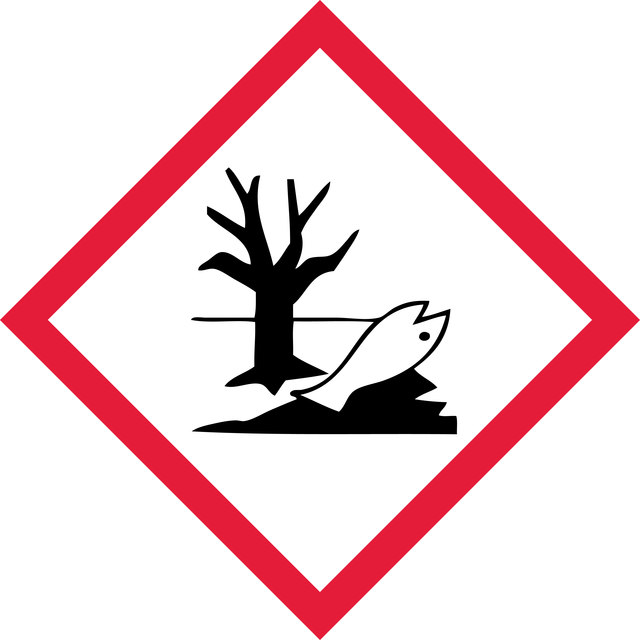
signalword
Danger
Hazard Classifications
Acute Tox. 4 Dermal - Acute Tox. 4 Inhalation - Acute Tox. 4 Oral - Aquatic Chronic 2 - Eye Dam. 1 - Flam. Liq. 3 - Met. Corr. 1 - Skin Corr. 1B - Skin Sens. 1 - STOT SE 1
target_organs
Eyes,Central nervous system
Classe de stockage
3 - Flammable liquids
flash_point_f
132.8 °F
flash_point_c
56 °C
wgk
WGK 3
Faites votre choix parmi les versions les plus récentes :
Déjà en possession de ce produit ?
Retrouvez la documentation relative aux produits que vous avez récemment achetés dans la Bibliothèque de documents.
Contenu apparenté
Joshua M Halman et al.
Tree physiology, 33(11), 1242-1251 (2013-12-05)
Forests of northeastern North America have been exposed to anthropogenic acidic inputs for decades, resulting in altered cation relations and disruptions to associated physiological processes in multiple tree species, including sugar maple (Acer saccharum Marsh.). In the current study, the
Digital camera-based lipase biosensor for the determination of paraoxon
Pohanka M, et al.
Sensors and Actuators B, Chemical, 273, 610-615 (2018)
Differences in antioxidant mechanisms in grapevines subjected to drought and enhanced UV-B radiation.
Doupis G, et al.
Emirates Journal of Food and Agriculture, 24(6) (2012)
Numéro d'article de commerce international
| Référence | GTIN |
|---|---|
| TP0100-1KT | 04061837397998 |