
SAE0152

Lysozyme from chicken egg white
free of DNA contaminants, suitable for Microbiome research, lyophilized powder, protein ≥90%, ≥39,000 units/mg protein
Synonyme(s) :
Mucopeptide N-acétylmuramoylhydrolase, Muramidase
Se connecter pour consulter les tarifs organisationnels et contractuels.
Sélectionner une taille de conditionnement
Changer de vue
A propos de cet article
Numéro CAS:
UNSPSC Code:
12352204
NACRES:
NA.77
MDL number:
Service technique
Besoin d'aide ? Notre équipe de scientifiques expérimentés est là pour vous.
Laissez-nous vous aiderbiological source
chicken egg white
Quality Level
form
powder
specific activity
≥39000 units/mg protein
mol wt
single-chain 14.3 kDa
feature
DNA free
technique(s)
cell based assay: suitable
suitability
suitable for cell lysis
application(s)
cell analysis
shipped in
ambient
storage temp.
−20°C
General description
Purified Lysozyme DNA free SAE0152 undergoes strict quality control testing to ensure the absence of detectable levels of contaminating DNA using 35 cycles PCR amplification of 16S and 18S rDNA using universal primer sets.
Lysozyme is a single chain polypeptide of 129 amino acids cross-linked with four disulfide bridges.1 It hydrolyzes b(1à 4) linkages between N-acetylmuraminic acid and N-acetyl-D-glucosamine residues in peptidoglycan and between N-acetyl-D-glucosamine residues in chitodextrin.2,3,4 The enzyme is often used for lysing bacterial cells by hydrolyzing the peptidoglycan present in the cell walls. Gram-positive cells are quite susceptible to this hydrolysis as their cell walls have a high proportion of peptidoglycan. Gram-negative bacteria are less susceptible due to the presence of an outer membrane and a lower proportion of peptidoglycan.
The enzyme is active over a broad pH range (6.0-9.0).
Lysozyme activity: ≥39,000 units/mg protein.
For isolation of nucleic acids, lysozyme has been used in the lysis peptidoglycan layer of bacterial cell walls.
The study of microbial communities has been revolutionized in recent years by the widespread adoption of culture independent analytical techniques such as 16S rRNA gene sequencing and metagenomics. Since DNA contamination during sample preparation is a major problem of these sequence-based approaches, DNA extraction reagents free of DNA contaminates are essential. This purified lysozyme preparation (SAE0152) is purified from chicken egg white, crystallized three times, dialyzed, and supplied as a lyophilized powder. Protein content by UV absorbance is ≥ 90% with the remainder (∼10%) being buffer salts such as sodium acetate and sodium chloride, and undergoes strict quality control testing to ensure the absence of detectable levels of contaminating DNA using 35 cycles PCR amplification of 16S and 18S rDNA using universal primer sets.
Lysozyme is a single chain polypeptide of 129 amino acids cross-linked with four disulfide bridges.1 It hydrolyzes b(1à 4) linkages between N-acetylmuraminic acid and N-acetyl-D-glucosamine residues in peptidoglycan and between N-acetyl-D-glucosamine residues in chitodextrin.2,3,4 The enzyme is often used for lysing bacterial cells by hydrolyzing the peptidoglycan present in the cell walls. Gram-positive cells are quite susceptible to this hydrolysis as their cell walls have a high proportion of peptidoglycan. Gram-negative bacteria are less susceptible due to the presence of an outer membrane and a lower proportion of peptidoglycan.
The enzyme is active over a broad pH range (6.0-9.0).
Lysozyme activity: ≥39,000 units/mg protein.
For isolation of nucleic acids, lysozyme has been used in the lysis peptidoglycan layer of bacterial cell walls.
The study of microbial communities has been revolutionized in recent years by the widespread adoption of culture independent analytical techniques such as 16S rRNA gene sequencing and metagenomics. Since DNA contamination during sample preparation is a major problem of these sequence-based approaches, DNA extraction reagents free of DNA contaminates are essential. This purified lysozyme preparation (SAE0152) is purified from chicken egg white, crystallized three times, dialyzed, and supplied as a lyophilized powder. Protein content by UV absorbance is ≥ 90% with the remainder (∼10%) being buffer salts such as sodium acetate and sodium chloride, and undergoes strict quality control testing to ensure the absence of detectable levels of contaminating DNA using 35 cycles PCR amplification of 16S and 18S rDNA using universal primer sets.
Application
L′enzyme dégrade la paroi cellulaire des bactéries ; elle est utilisée pour préparer des sphéroplastes.
- Lysozyme is used for the extraction of genomic DNA from bacterial cells.
- Lysozyme is used as an external standard for MALDI-TOF (matrix assisted laser desorption ionization-time of flight) mass analysis.
- Lysonzyme is used to prepare spheroplasts.
Biochem/physiol Actions
Le lysozyme hydrolyse les liaisons β(1→4) entre les résidus d′acide N-acétylmuramique et de N-acétyl-D-glucosamine dans le peptidoglycane et entre les résidus de N-acétyl-D-glucosamine dans la chitodextrine. Les cellules à Gram positif sont très susceptibles à cette hydrolyse, car leur paroi cellulaire contient une proportion élevée de peptidoglycanes. Les cellules à Gram négatif sont moins susceptibles, en raison de la présence d′une membrane externe et d′une proportion plus faible de peptidoglycanes. Cependant, ces cellules peuvent être hydrolysées en présence d′EDTA, qui chélate les ions métalliques de la membrane externe des bactéries.
L′enzyme est active dans une vaste gamme de pH (de 6,0 à 9,0). À pH 6,2, une activité maximale est observée sur une plus vaste plage de forces ioniques (de 0,02 à 0,100 M) qu′à pH 9,2 (0,01 à 0,006 M).
L′enzyme est active dans une vaste gamme de pH (de 6,0 à 9,0). À pH 6,2, une activité maximale est observée sur une plus vaste plage de forces ioniques (de 0,02 à 0,100 M) qu′à pH 9,2 (0,01 à 0,006 M).
Le lysozyme hydrolyse les liaisons β(1→4) entre les résidus d′acide N-acétylmuramique et de N-acétyl-D-glucosamine dans le peptidoglycane et entre les résidus de N-acétyl-D-glucosamine dans la chitodextrine. Les cellules à Gram positif sont très susceptibles à cette hydrolyse, car leur paroi cellulaire contient une proportion élevée de peptidoglycanes.
Features and Benefits
Purified Lysozyme free SAE0152 undergoes strict quality control testing to ensure it will be Free of DNA contaminants, suitable for Microbiome research.
The study of microbial communities has been revolutionized in recent years by the widespread adoption of culture independent analytical techniques such as 16S rRNA gene sequencing and metagenomics. Since DNA contamination during sample preparation is a major problem of these sequence-based approaches, DNA extraction reagents free of DNA contaminates are essential.
The study of microbial communities has been revolutionized in recent years by the widespread adoption of culture independent analytical techniques such as 16S rRNA gene sequencing and metagenomics. Since DNA contamination during sample preparation is a major problem of these sequence-based approaches, DNA extraction reagents free of DNA contaminates are essential.
Other Notes
One unit will lyse 0.6 μg of Micrococcus lysodeikticus per minute by turbidimetric detection at 600 nm when suspended in buffer at pH 6.2 at 25 °C.
Still not finding the right product?
Explore all of our products under Lysozyme from chicken egg white
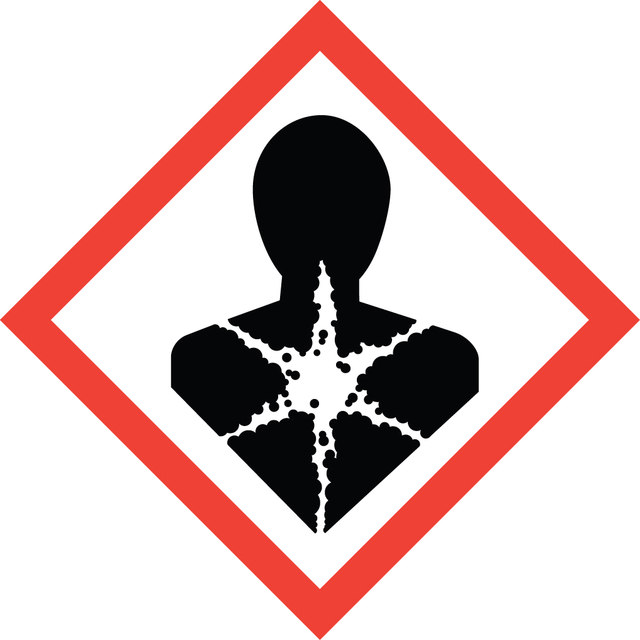
signalword
Danger
hcodes
pcodes
Hazard Classifications
Resp. Sens. 1
Classe de stockage
11 - Combustible Solids
wgk
WGK 3
flash_point_f
Not applicable
flash_point_c
Not applicable
Faites votre choix parmi les versions les plus récentes :
Déjà en possession de ce produit ?
Retrouvez la documentation relative aux produits que vous avez récemment achetés dans la Bibliothèque de documents.
Articles
Enzymatic cell lysis and protoplast prep processes demystified, revealing complex enzymatic reactions during sample preparation.