
PP0100

Trypsin Profile IGD Kit
Synonyme(s) :
In gel digestion kit, Proteomics grade Trypsin, TPCK treated
Sélectionner une taille de conditionnement
A propos de cet article
General description
Trypsin has been chemically modified through reductive methylation of the ε-amino groups of lysine to reduce autolysis and minimize autolytic fragments. In addition, it has been TPCK (tosyl phenylalanyl chloromethyl ketone) treated to remove residual chymotrypsin activity and then further purified by affinity chromatography, yielding a highly purified trypsin suitable for proteomics work.
Application
Features and Benefits
- Faster destaining than with alternative in-gel digest kits
- Includes 100% of the reagents needed to destain, digest, and extract proteins/peptides of interest
- Compatible with Coomassie, SYPRO™ Orange, SYPRO Ruby, and ProteoSilver™ Stained gels
- Resulting samples are ready for analysis by MALDI-MS or HPLC-MS
Legal Information
Composants de kit seuls
- Destaining Solution Reconstituted to 75
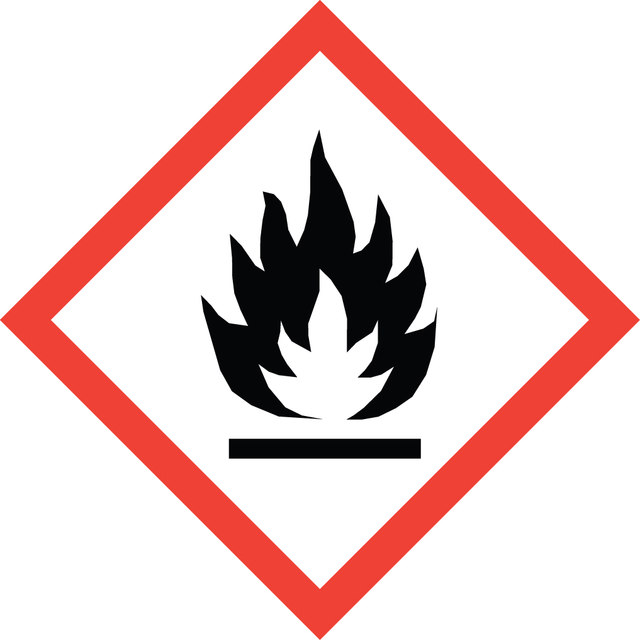
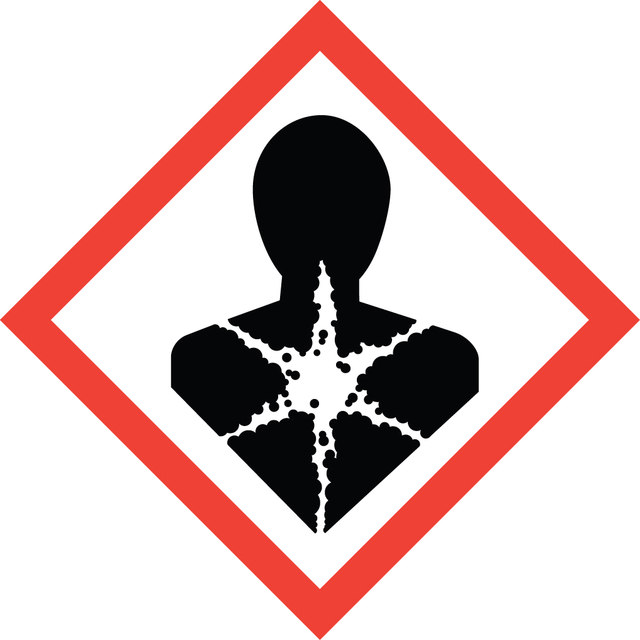

signalword
Danger
Hazard Classifications
Acute Tox. 4 Dermal - Acute Tox. 4 Inhalation - Acute Tox. 4 Oral - Eye Irrit. 2 - Flam. Liq. 2 - Resp. Sens. 1 - Skin Irrit. 2 - STOT SE 3
target_organs
Respiratory system
Classe de stockage
3 - Flammable liquids
flash_point_f
35.6 °F - closed cup
flash_point_c
2.0 °C - closed cup
wgk
WGK 2
Faites votre choix parmi les versions les plus récentes :
Déjà en possession de ce produit ?
Retrouvez la documentation relative aux produits que vous avez récemment achetés dans la Bibliothèque de documents.
Articles
One of the most important aspects of our ultra-pure MALDI matrix substances is their ability to dissolve rapidly and completely; a brief vortex mixing is typically sufficient.
Protein modifications are crucial for disease study. Analysis methods are key.
Contenu apparenté
We have developed a novel, high-binding capacity, antibodybased resin for the depletion of twenty high abundance proteins in human plasma. The technology is a significant improvement over existing kits that remove 2, 6, or 12 proteins.
Numéro d'article de commerce international
| Référence | GTIN |
|---|---|
| PP0100-1KT | 04061835574728 |