
139386

Hexane
≥99%, suitable for GC/MS, suitable for EPA 1613, ReagentPlus®
Synonyme(s) :
n-Hexane
Sélectionner une taille de conditionnement
A propos de cet article
Nom du produit
Hexane, ReagentPlus®, ≥99%
agency
suitable for EPA 1613
Quality Level
vapor density
~3 (vs air)
vapor pressure
256 mmHg ( 37.7 °C), 5.2 psi ( 37.7 °C), ~132 mmHg ( 20 °C)
product line
ReagentPlus®
assay
≥99%
form
liquid
autoignition temp.
453 °F
expl. lim.
7.7 %
technique(s)
GC/MS: suitable
refractive index
n20/D 1.375 (lit.)
pH
7
bp
69 °C (lit.)
mp
−95 °C (lit.)
solubility
water: insoluble
density
0.659 g/mL at 25 °C (lit.)
SMILES string
CCCCCC
InChI
1S/C6H14/c1-3-5-6-4-2/h3-6H2,1-2H3
InChI key
VLKZOEOYAKHREP-UHFFFAOYSA-N
General description
Application
- Preparation of graft-copolymer chains of poly-(dimethylsiloxane)-g-poly(methyl methacrylate).
- GC/MS (Gas Chromatography/Mass Spectrometry) characterization of essential oils isolated from various origins.
- As solvent for the preparation of samples and standards during chromatographic studies.
Hexane may be used as a solvent in the detection of rubrene, using normal phase high performance liquid chromatography. It may also be used as an extraction solvent to concentrate the analytes like synthetic cannabinoids of the aminoalkylindole type and methanandamide in serum, followed by separation using liquid chromatography coupled with tandem-mass spectrometry.
Legal Information
Still not finding the right product?
Explore all of our products under Hexane
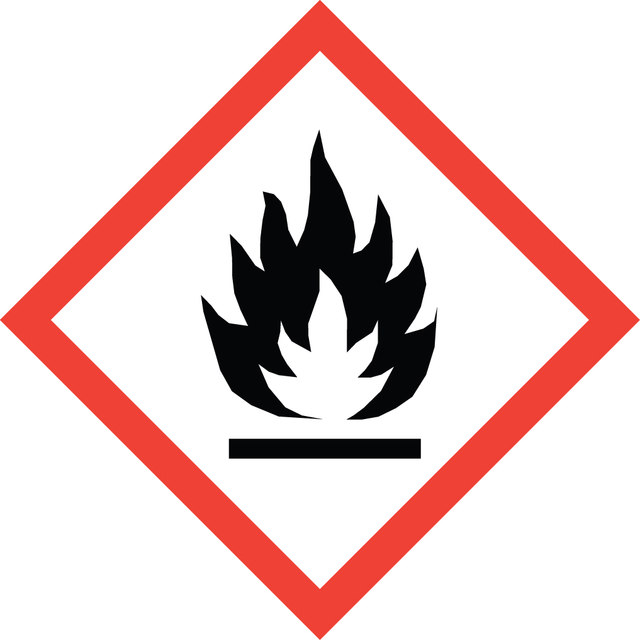


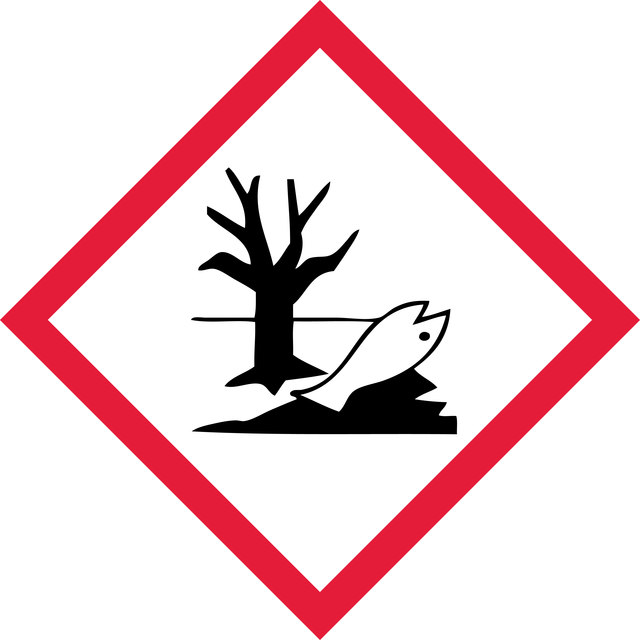
signalword
Danger
target_organs
Central nervous system, Nervous system
Classe de stockage
3 - Flammable liquids
flash_point_f
-7.6 °F - closed cup
flash_point_c
-22 °C - closed cup
Hazard Classifications
Aquatic Chronic 2 - Asp. Tox. 1 - Flam. Liq. 2 - Repr. 2 - Skin Irrit. 2 - STOT RE 1 Inhalation - STOT SE 3
Faites votre choix parmi les versions les plus récentes :
Déjà en possession de ce produit ?
Retrouvez la documentation relative aux produits que vous avez récemment achetés dans la Bibliothèque de documents.
Contenu apparenté
This page is intended to make it easier to find the consumables you need based on the analytical method you’re using. Methods included on this page come from the EPA, Standard Methods and ASTM.
Numéro d'article de commerce international
| Référence | GTIN |
|---|---|
| 139386-500ML | 04061838732828 |
| 139386-100ML | 04061837223952 |
| 139386-6X500ML | 04061837223969 |