
673277

2-Methyltetrahydrofuran

BioRenewable, anhydrous, ≥99%, Inhibitor-free
Synonyme(s) :
Tétrahydro-2-méthylfurane
Sélectionner une taille de conditionnement
A propos de cet article
Quality Level
grade
anhydrous
assay
≥99%
form
liquid
expl. lim.
0.34-6.3 % (lit.)
greener alternative product characteristics
Safer Solvents and Auxiliaries
Use of Renewable Feedstocks
Learn more about the Principles of Green Chemistry.
sustainability
Greener Alternative Product
impurities
≤0.002% water, ≤0.005% water (100 mL pkg)
evapn. residue
≤0.0003%
refractive index
n20/D 1.406 (lit.)
bp
78-80 °C (lit.)
mp
-136 °C (lit.)
density
0.86 g/mL at 25 °C (lit.)
greener alternative category
, Aligned
SMILES string
CC1CCCO1
InChI
1S/C5H10O/c1-5-3-2-4-6-5/h5H,2-4H2,1H3
InChI key
JWUJQDFVADABEY-UHFFFAOYSA-N
General description
2-Methyltetrahydrofuran (2-MTHF), a 2-methyl substituted tetrahydrofuran, is a biomass derived solvent. It is a potential greener solvent alternative for organic synthesis. It shows resistance to reduction by lithium making it a promising candidate as electrolytes in lithium batteries. Its polarity and Lewis base strength is intermediate between tetrahydrofuran (THF) and diethyl ether. The ring opening reaction of 2-MTHF has been studied using acid chloride and iodide.
Application
It may be used as an alternative solvent to:
- Dimethyl sulfoxide (DMSO) or methyl tert-butyl ether (MTBE) in the C-C bond forming reactions catalyzed by lyase enzyme.
- Tetrahydrofuran (THF) in the reaction between Grignard reagents and carbonyl compounds.
- Methylene chloride in some biphasic reactions.
Organic Solar Cells
2-Methyltetrahydrofuran (2-MeTHF): A Biomass-Derived Solvent with Broad Application in Organic Chemistry
Features and Benefits
Still not finding the right product?
Explore all of our products under 2-Methyltetrahydrofuran
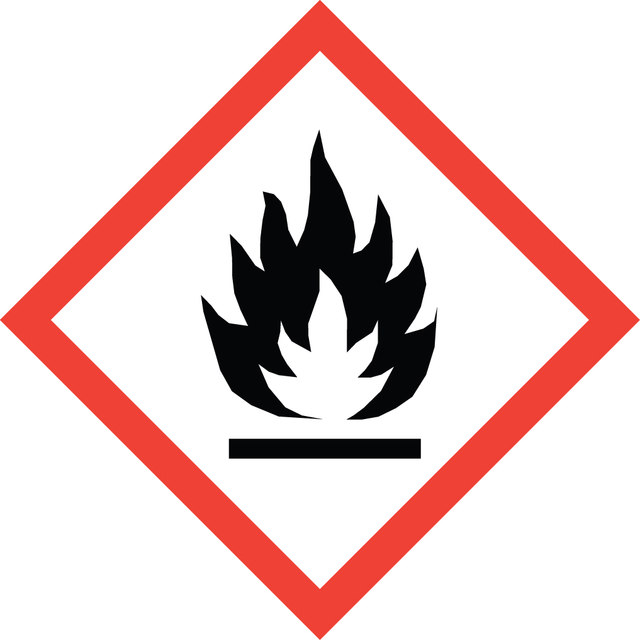
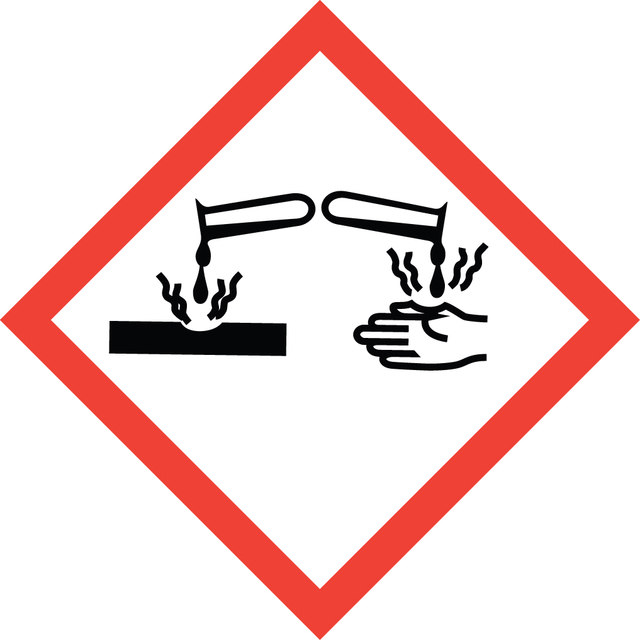
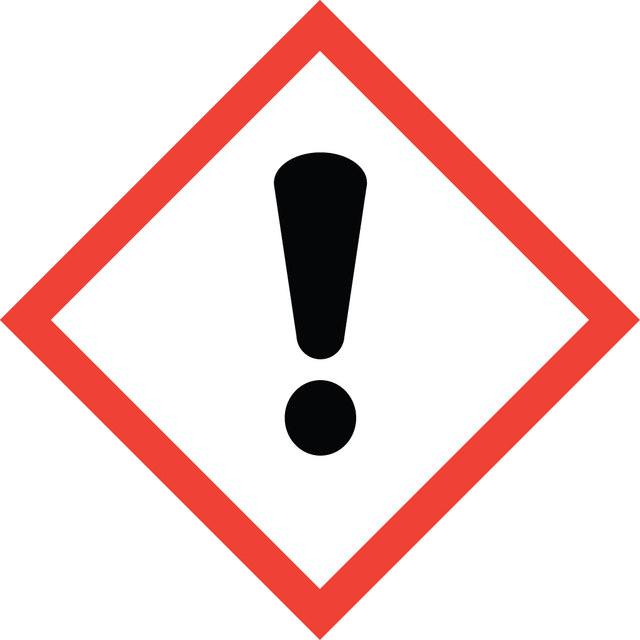
signalword
Danger
hcodes
Hazard Classifications
Acute Tox. 4 Oral - Eye Dam. 1 - Flam. Liq. 2 - Skin Irrit. 2
supp_hazards
Classe de stockage
3 - Flammable liquids
wgk
WGK 2
flash_point_f
14.0 °F - closed cup
flash_point_c
-10.0 °C - closed cup
ppe
Eyeshields, Faceshields, Gloves, type ABEK (EN14387) respirator filter
Faites votre choix parmi les versions les plus récentes :
Déjà en possession de ce produit ?
Retrouvez la documentation relative aux produits que vous avez récemment achetés dans la Bibliothèque de documents.
Contenu apparenté
Pourquoi devrait-on choisir entre solvants écologiques et solvants fiables ? Nous vous proposons les deux à la fois grâce à nos solutions biorenouvelables et plus écologiques. Le solvant Cyrene™ est une nouvelle alternative aprotique dipolaire aux solvants courants frappés par la restriction REACH, tels que la N-méthyl-2-pyrrolidone (NMP) et le diméthylformamide (DMF).
Numéro d'article de commerce international
| Référence | GTIN |
|---|---|
| 673277-100ML | 04061832735313 |
| 673277-12X100ML | 04061837534805 |
| 673277-1L | 04061832735320 |
| 673277-2L | 04061832735337 |