
411019

N,N,N′,N′-Tetramethylethylenediamine
≥99.5%, purified by redistillation
Synonyme(s) :
1,2-Bis(dimethylamino)ethane, TEMED, TMEDA
Sélectionner une taille de conditionnement
A propos de cet article
Quality Level
assay
≥99.5%
form
liquid
purified by
redistillation
expl. lim.
9.08 %
refractive index
n20/D 1.4179 (lit.)
bp
120-122 °C (lit.)
mp
−55 °C (lit.)
density
0.775 g/mL at 20 °C (lit.)
functional group
amine
SMILES string
CN(C)CCN(C)C
InChI
1S/C6H16N2/c1-7(2)5-6-8(3)4/h5-6H2,1-4H3
InChI key
KWYHDKDOAIKMQN-UHFFFAOYSA-N
General description
Application
- Hydrogenolysis of Cationic Half-Sandwich Zinc Complexes Containing a Chelating Amine: Facile Cleavage of Zinc-Carbon Bond by Dihydrogen To Give Zinc Hydride Cations.: This research explores the hydrogenolysis of cationic zinc complexes facilitated by N,N,N′,N′-Tetramethylethylenediamine (TMEDA), emphasizing the cleavage of zinc-carbon bonds, contributing significantly to catalyst development and organic synthesis (Mahawar et al., 2024, DOI: 10.1002/chem.202401262).
- Electrophoresis.: This study highlights the use of TMEDA in electrophoresis applications, enhancing the resolution and efficiency of protein and nucleic acid separations, vital for biochemical research (Sonagra & Dholariya, 2024, PubMed ID: 36251838).
- Dihydrogen Cleavage by a Zinc-Zinc Bond of a Heteroleptic Dizinc(I) Cation.: TMEDA is utilized in the activation of zinc-zinc bonds for hydrogen cleavage, demonstrating its importance in inorganic chemistry and catalyst development (Mahawar et al., 2024, DOI: 10.1021/acs.inorgchem.4c01116).
- Nontoxic Initiator Alternatives to TEMED for Redox Hydrogel Polymerization.: The study investigates safer alternatives to TMEDA for hydrogel polymerization, essential for biomedical applications and polymer chemistry (Pumford et al., 2024, DOI: 10.1021/acsabm.3c01264).
- Photoinduced Alkylsulfonylation and Cyanoalkylsulfonylation of Morita-Baylis-Hillman Adducts via Multicomponent Insertion of Sulfur Dioxide.: This paper discusses the role of TMEDA in facilitating multicomponent reactions for organic synthesis, crucial for developing new synthetic methodologies (Song et al., 2024, DOI: 10.1021/acs.joc.4c00052).
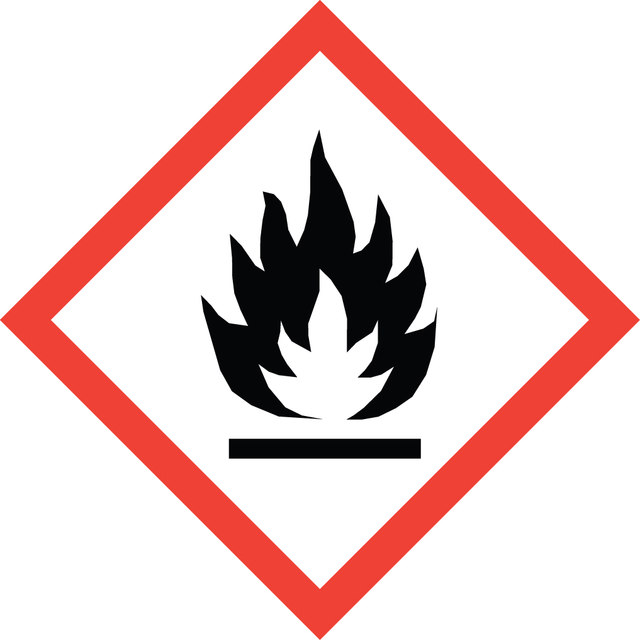
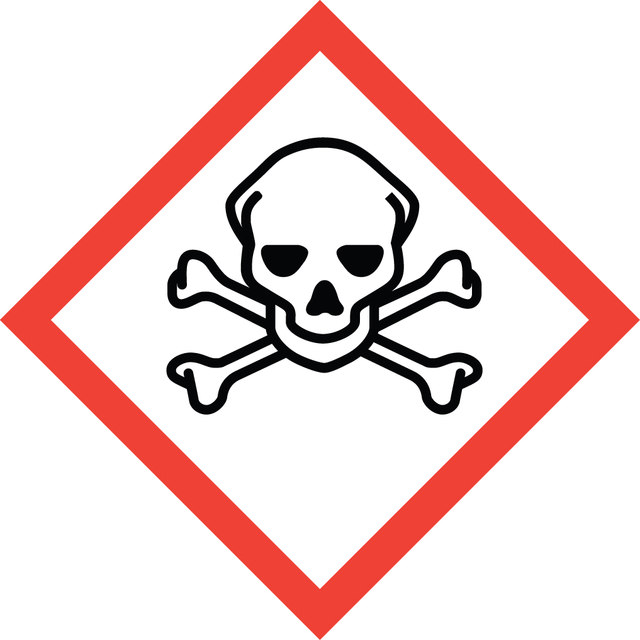
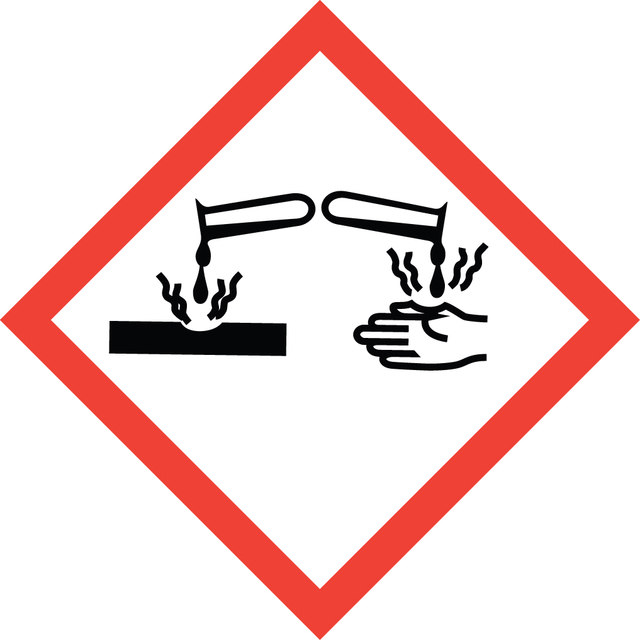
signalword
Danger
hcodes
Hazard Classifications
Acute Tox. 3 Inhalation - Acute Tox. 4 Oral - Eye Dam. 1 - Flam. Liq. 2 - Skin Corr. 1B
Classe de stockage
3 - Flammable liquids
wgk
WGK 1
flash_point_f
61.7 °F - closed cup
flash_point_c
16.5 °C - closed cup
ppe
Faceshields, Gloves, Goggles, type ABEK (EN14387) respirator filter
Faites votre choix parmi les versions les plus récentes :
Déjà en possession de ce produit ?
Retrouvez la documentation relative aux produits que vous avez récemment achetés dans la Bibliothèque de documents.
Protocoles
TPGS-750-M surfactant enables various reactions in water at room temperature, enhancing efficiency and versatility in synthesis.
Numéro d'article de commerce international
| Référence | GTIN |
|---|---|
| 411019-100ML | 04061832019741 |
| 411019-1L | 04061832019758 |
| 411019-500ML | 04061835158102 |
| 411019-2L | 04061838119728 |