
323373

Chlorure de palladium(II)
99.995%, powder
Synonyme(s) :
Dichloropalladium, Palladium dichloride, Palladous chloride
Sélectionner une taille de conditionnement
A propos de cet article
Nom du produit
Chlorure de palladium(II), 99.995%
Quality Level
assay
99.995%
form
powder
reaction suitability
core: palladium, reaction type: Buchwald-Hartwig Cross Coupling Reaction, reaction type: Heck Reaction, reaction type: Hiyama Coupling, reaction type: Negishi Coupling, reaction type: Sonogashira Coupling, reaction type: Stille Coupling, reaction type: Suzuki-Miyaura Coupling, reagent type: catalyst
mp
678-680 °C (lit.)
density
4 g/mL at 25 °C (lit.)
SMILES string
Cl[Pd]Cl
InChI
1S/2ClH.Pd/h2*1H;/q;;+2/p-2
InChI key
PIBWKRNGBLPSSY-UHFFFAOYSA-L
General description
Application
Utilisé dans la synthèse des polymères contenant des métaux semi-conducteurs dans lesquels le squelette de polypyrrole a un minimum d′énergie conformationnelle et est quasi planaire.
- Carbonylation of ketones to yield diesters.
- Homo-coupling of aryl bromides using ascorbic acid and EDTA..
- Acetylation of alcohols with vinyl acetate.
- Arylation of 2-furaldehyde to yield 5-aryl-2-formylfuran derivatives.
Still not finding the right product?
Explore all of our products under Chlorure de palladium(II)
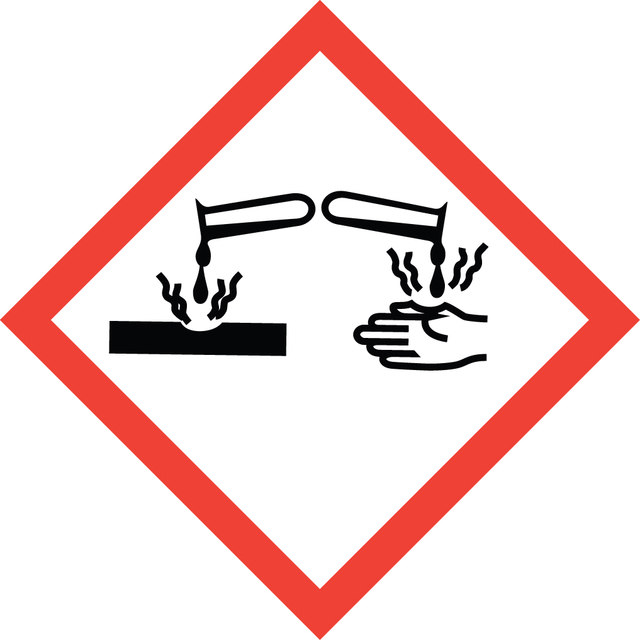
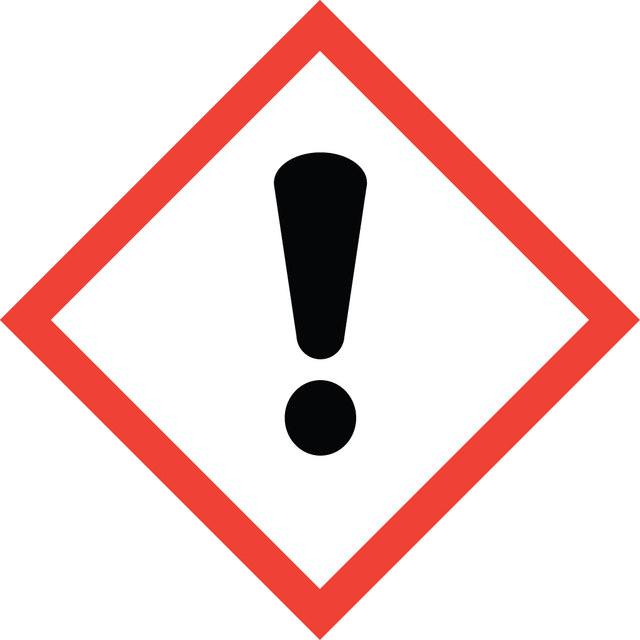
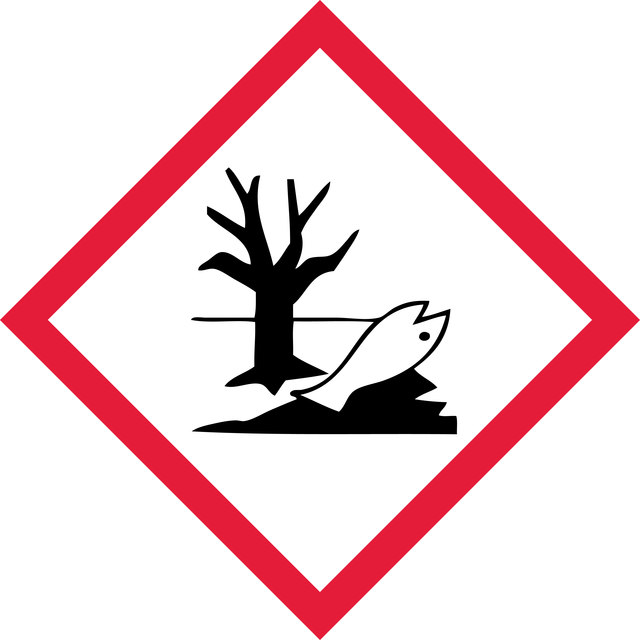
signalword
Danger
hcodes
Hazard Classifications
Acute Tox. 4 Oral - Aquatic Acute 1 - Aquatic Chronic 1 - Eye Dam. 1 - Met. Corr. 1 - Skin Sens. 1
ppe
Eyeshields, Faceshields, Gloves, type P2 (EN 143) respirator cartridges
flash_point_f
Not applicable
flash_point_c
Not applicable
Classe de stockage
13 - Non Combustible Solids
Faites votre choix parmi les versions les plus récentes :
Déjà en possession de ce produit ?
Retrouvez la documentation relative aux produits que vous avez récemment achetés dans la Bibliothèque de documents.
Numéro d'article de commerce international
| Référence | GTIN |
|---|---|
| 323373-1G | 04061826708538 |
| 323373-5G | 04061826708545 |