
AEC101

AEC Staining Kit
liquid
Synonym(s):
ACE substrate kit
Sign In to View Organizational & Contract Pricing.
Select a Size
Change View
About This Item
NACRES:
NA.32
UNSPSC Code:
41116134
Quality Level
form
liquid
usage
sufficient for ≥1,000 tests (150 ml substrate solution)
storage temp.
2-8°C
Application
AEC Staining Kit has been used as a substrate
- for developing the extravidin peroxidase antibody in cell-seeded matrice sections using histology and immunohistochemistry methods
- for streptavidin-horseradish peroxidase in peripheral blood mononuclear cells in ex vivo enzyme-linked immunospot (ELISPOT) assay
- for mouse IgG biotinylated secondary antibody in immunohistostaining of epididymal fat pads
Packaging
Kit contains 3 mL of concentrated acetate buffer, 3-amino-9-ethylcarbazole (AEC) chromogen and hydrogen peroxide in a dropper bottle for easy dispensing. Directions for use with each application are included.
Disclaimer
Stable at least one year at 2-8 °C.

signalword
Danger
Hazard Classifications
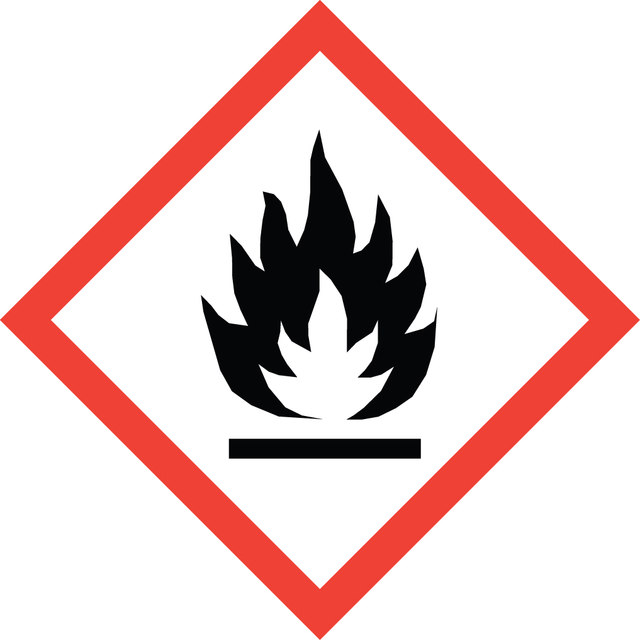
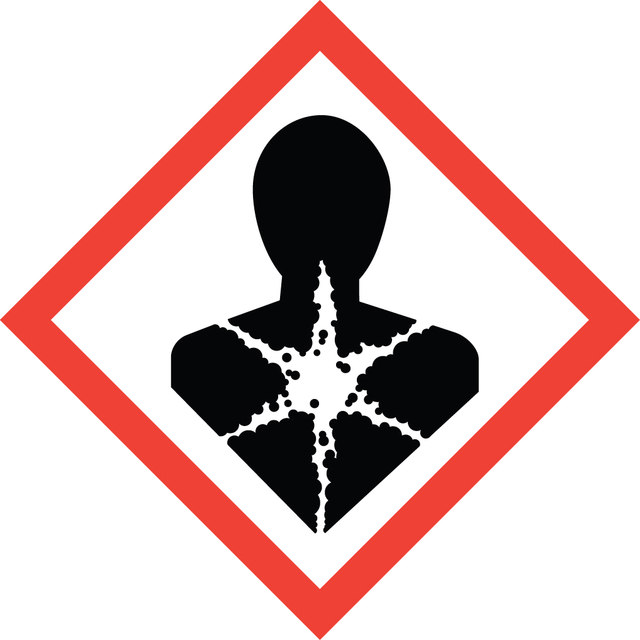
Acute Tox. 4 Dermal - Acute Tox. 4 Inhalation - Carc. 1B - Eye Irrit. 2 - Flam. Liq. 3 - Repr. 1B
Storage Class
3 - Flammable liquids
wgk
WGK 3
flash_point_f
134.6 °F - closed cup
flash_point_c
57 °C - closed cup
Choose from one of the most recent versions:
Already Own This Product?
Find documentation for the products that you have recently purchased in the Document Library.
Protocols
Use this protocol to for the entire immunohistochemistry (IHC) procedure through staining and visualization of specific antigens in paraffin-embedded tissue sections.
Nicolas Gaudenzio et al.
The Journal of allergy and clinical immunology, 131(5), 1400-1407 (2013-03-23)
Mast cells are key components of the skin microenvironment in psoriasis, yet their functional role in this T-cell-mediated inflammatory disorder remains to be elucidated. To define the impact of T-cell/mast-cell cognate interactions on the cytokines produced by TH cells. We
Kaiyuan Ni et al.
Nature communications, 9(1), 2351-2351 (2018-06-17)
Checkpoint blockade immunotherapy enhances systemic antitumor immune response by targeting T cell inhibitory pathways; however, inadequate T cell infiltration has limited its anticancer efficacy. Radiotherapy (RT) has local immunomodulatory effects that can alter the microenvironment of irradiated tumors to synergize
Leslie R Morse et al.
Translational stroke research, 2(4), 643-650 (2012-03-01)
Spinal cord injury is associated with rapid bone loss and arrested long bone growth due to mechanisms that are poorly understood. In this study, we sought to determine the effects of severe T10 contusion spinal cord injury on the sublesional
Global Trade Item Number
| SKU | GTIN |
|---|---|
| AEC101-1KT | 04061838254719 |