
CN34892

Acétonitrile
Preparateur, ≥99.9% (GC), Customized plastic drum
Synonyme(s) :
ACN, Cyanométhane, Cyanure de méthyle, Éthylnitrile
Sélectionner une taille de conditionnement
A propos de cet article
vapor density
1.41 (vs air)
vapor pressure
72.8 mmHg ( 20 °C)
assay
≥99.9% (GC)
form
liquid
autoignition temp.
973 °F
expl. lim.
16 %
technique(s)
HPLC-GC: suitable
impurities
≤0.005% free acid (as CH3COOH), ≤0.02% water (Karl Fischer), ≤1 mg/L non-volatile matter
color
colorless
transmittance
200 nm, >50%, 220 nm, >90%
refractive index
n20/D 1.344 (lit.)
bp
81-82 °C (lit.)
mp
−45 °C (lit.)
density
0.786 g/mL at 25 °C (lit.)
application(s)
general analytical
format
neat
SMILES string
CC#N
InChI
1S/C2H3N/c1-2-3/h1H3
InChI key
WEVYAHXRMPXWCK-UHFFFAOYSA-N
General description
Application
- Organic synthesis
- Liquid-liquid extraction, solid-phase extraction or microextraction.
- Spectrophotometric and fluorimetric techniques.
- Electrolytes in lithium-ion batteries
- Determination of pKa values of organic superbases using the isodensity polarization continuum model (IPCM).
Still not finding the right product?
Explore all of our products under Acétonitrile
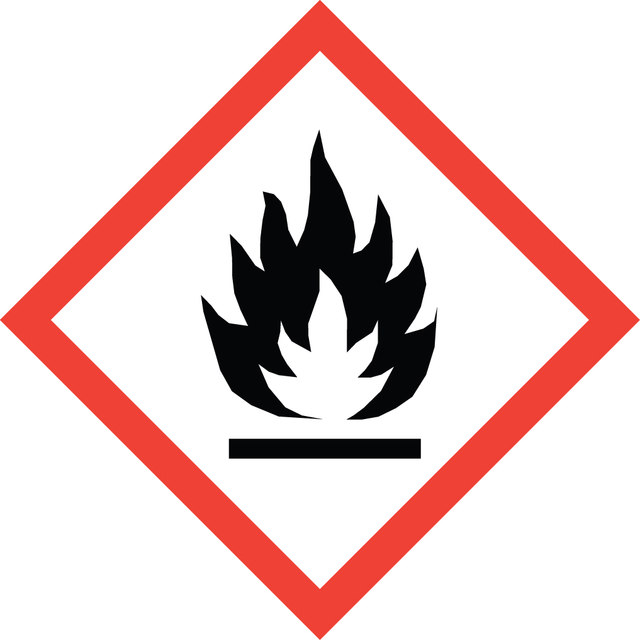

signalword
Danger
Hazard Classifications
Acute Tox. 4 Dermal - Acute Tox. 4 Inhalation - Acute Tox. 4 Oral - Eye Irrit. 2 - Flam. Liq. 2
Classe de stockage
3 - Flammable liquids
flash_point_f
35.6 °F - closed cup
flash_point_c
2.0 °C - closed cup
Faites votre choix parmi les versions les plus récentes :
Déjà en possession de ce produit ?
Retrouvez la documentation relative aux produits que vous avez récemment achetés dans la Bibliothèque de documents.