
87368-M

Tétrahydrofurane
≥99.9%, ACS reagent, contains ~0.025% 2, 6-di-tert-butyl-4-methylphenol as stabilizer, 250 ppm BHT as inhibitor, suitable for solid phase extraction (SPE), reag. Ph. Eur.
Synonyme(s) :
Oxolane, Oxyde de butylène, Oxyde de tétraméthylène
Sélectionner une taille de conditionnement
A propos de cet article
Nom du produit
Tétrahydrofurane, contains 250 ppm BHT as inhibitor, puriss. p.a., ACS reagent, reag. Ph. Eur., ≥99.9%
Quality Level
agency
reag. Ph. Eur.
vapor density
2.5 (vs air)
vapor pressure
114 mmHg ( 15 °C), 143 mmHg ( 20 °C)
grade
ACS reagent, puriss. p.a.
assay
≥99.9%
form
liquid
autoignition temp.
610 °F
contains
250 ppm BHT as inhibitor, ~0.025% 2,6-di-tert-butyl-4-methylphenol as stabilizer
expl. lim.
1.8-11.8 %
technique(s)
solid phase extraction (SPE): suitable
impurities
≤0.001% free acid (as CH3COOH), ≤0.005% peroxides (as H2O2), ≤0.05% water
evapn. residue
≤0.001%
refractive index
n20/D 1.407
pH
~7
bp
65-67 °C (lit.)
mp
−108 °C (lit.)
density
0.887 g/mL at 20 °C, 0.889 g/mL at 25 °C (lit.)
SMILES string
C1CCOC1
cation traces
Al: ≤0.5 mg/kg, B: ≤0.02 mg/kg, Ba: ≤0.1 mg/kg, Bi: ≤0.1 mg/kg, Ca: ≤0.5 mg/kg, Cd: ≤0.05 mg/kg, Co: ≤0.02 mg/kg, Cr: ≤0.02 mg/kg, Cu: ≤0.02 mg/kg, Fe: ≤0.1 mg/kg, K: ≤0.5 mg/kg, Li: ≤0.1 mg/kg, Mg: ≤0.1 mg/kg, Mn: ≤0.02 mg/kg, Mo: ≤0.1 mg/kg, Na: ≤0.5 mg/kg, Ni: ≤0.02 mg/kg, Pb: ≤0.1 mg/kg, Sn: ≤0.1 mg/kg, Sr: ≤0.1 mg/kg, Zn: ≤0.1 mg/kg
InChI
1S/C4H8O/c1-2-4-5-3-1/h1-4H2
InChI key
WYURNTSHIVDZCO-UHFFFAOYSA-N
General description
Application
It may be used for the dissolution of poly-ε-caprolactone (PCL) and 1,3-diaminopentane, during the preparation of poly-ε-caprolactone (PCL)-hydroxyapatite (HA) scaffolds and acrylate-terminated poly(5-amino-1-pentanol-co-1,4-butanediol diacrylate) (C32)- 1,3-diaminopentane (117) polymer, respectively.
Analysis Note
Other Notes
Still not finding the right product?
Explore all of our products under Tétrahydrofurane
signalword
Danger
supp_hazards
Classe de stockage
3 - Flammable liquids
flash_point_f
1.4 °F - closed cup
flash_point_c
-17.00 °C - closed cup
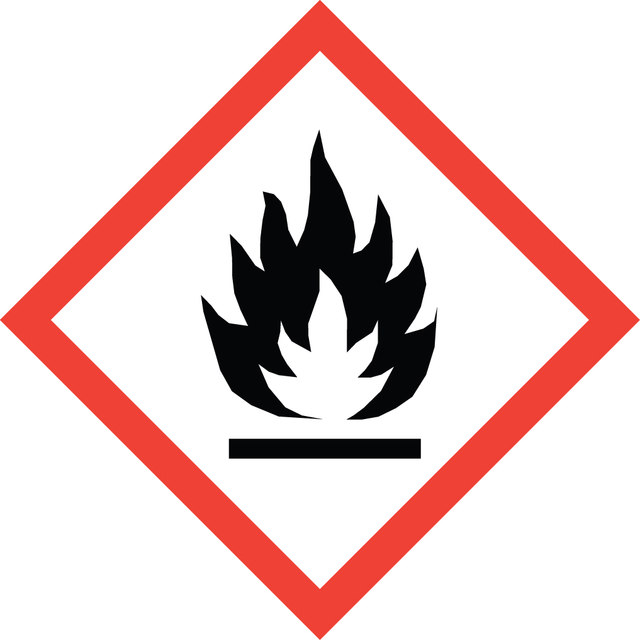
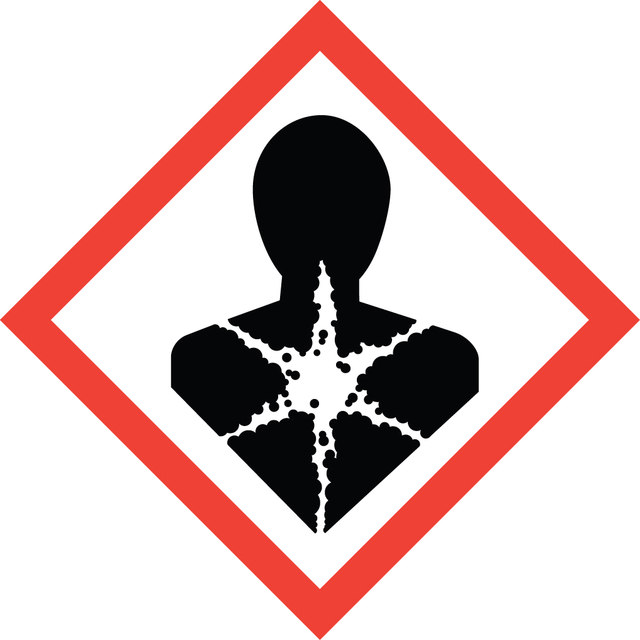
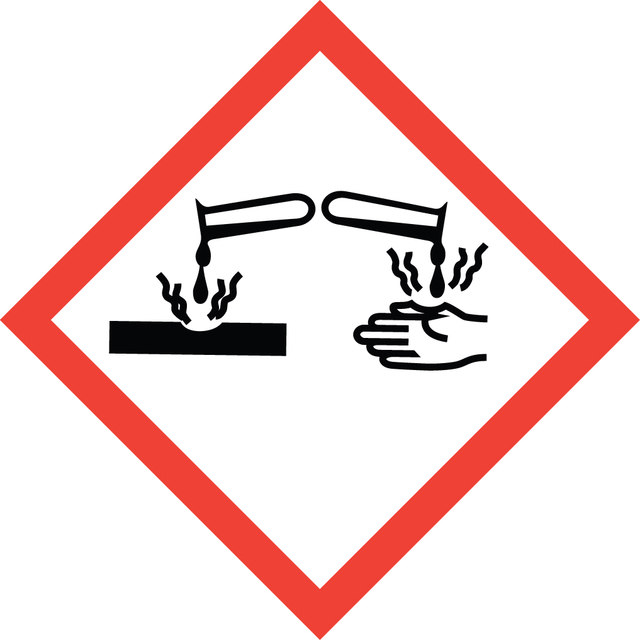
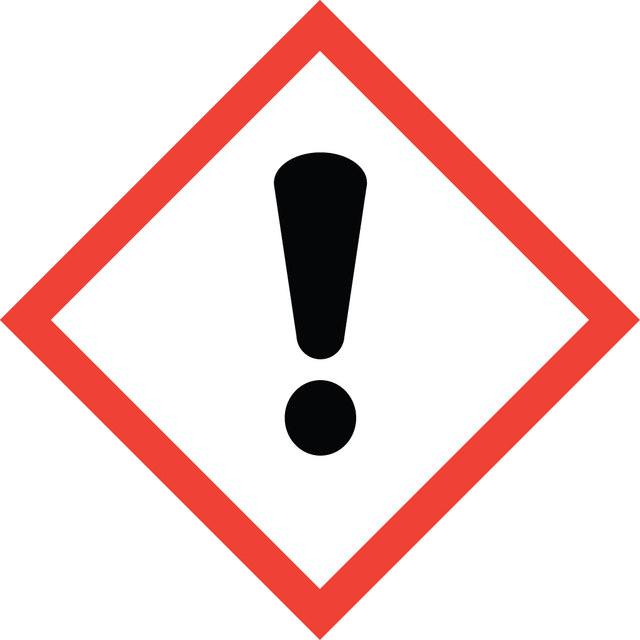
Hazard Classifications
Acute Tox. 4 Oral - Carc. 2 - Eye Dam. 1 - Flam. Liq. 2 - STOT SE 3
target_organs
Central nervous system, Respiratory system
Faites votre choix parmi les versions les plus récentes :
Déjà en possession de ce produit ?
Retrouvez la documentation relative aux produits que vous avez récemment achetés dans la Bibliothèque de documents.